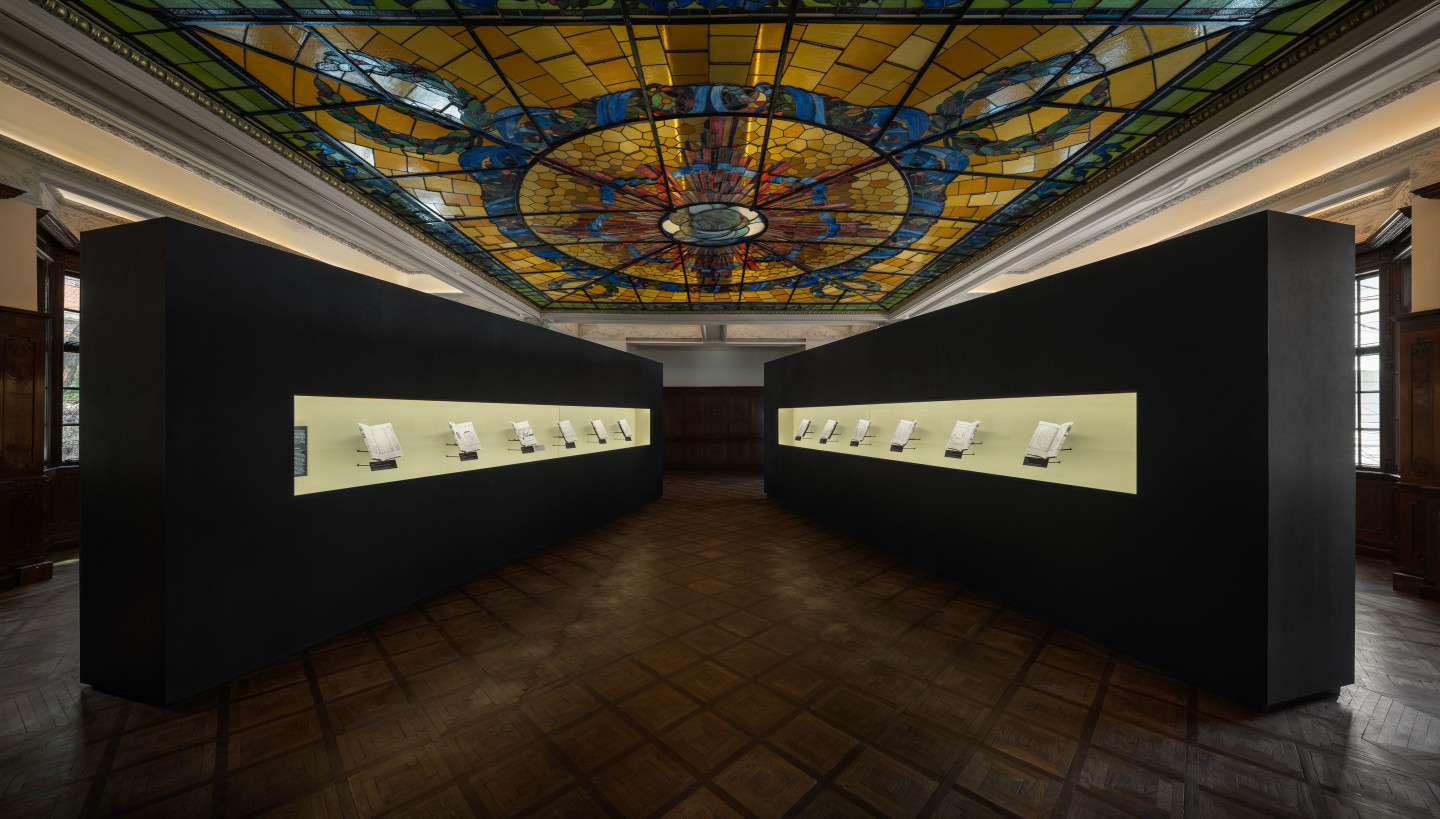
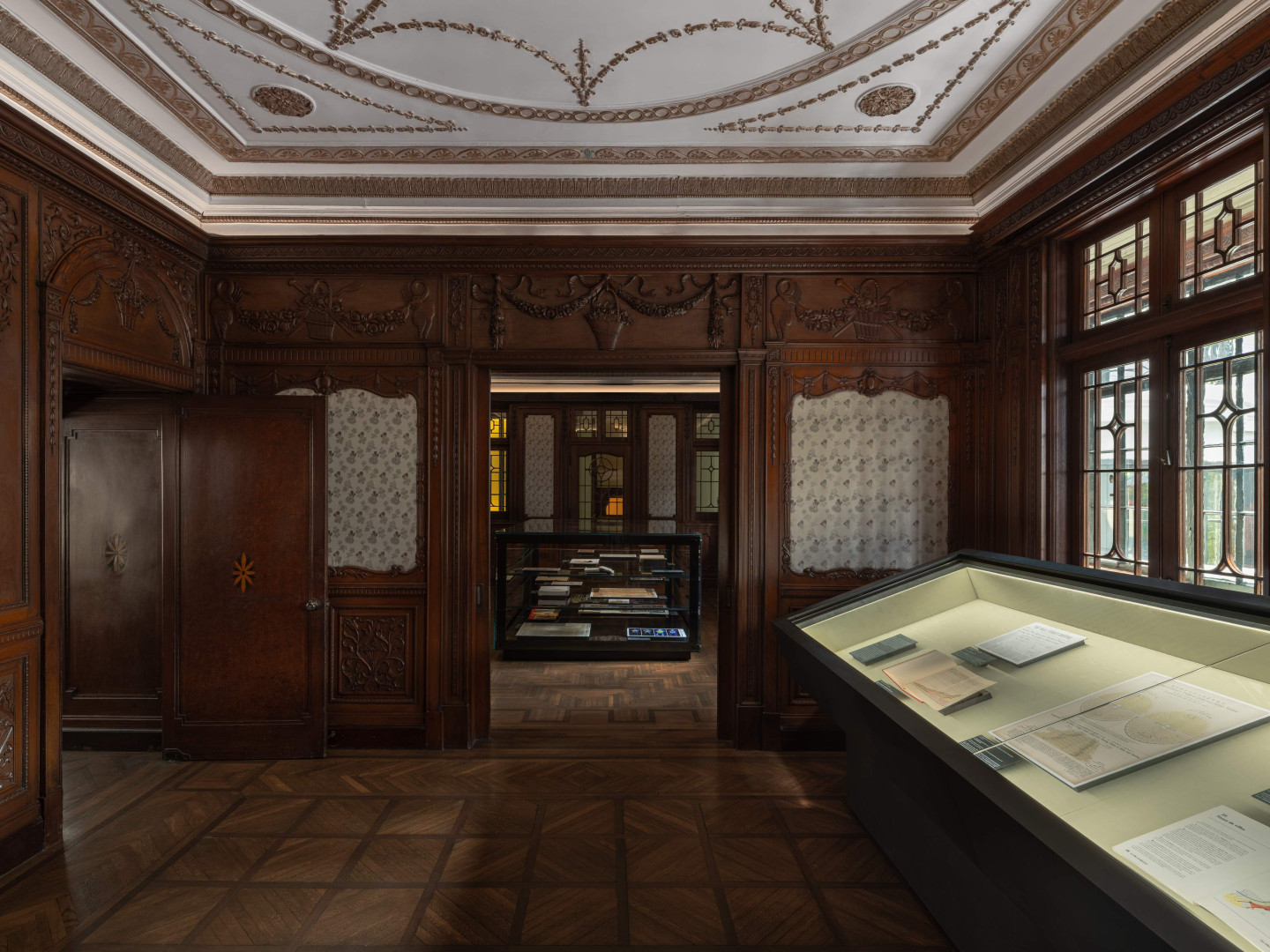
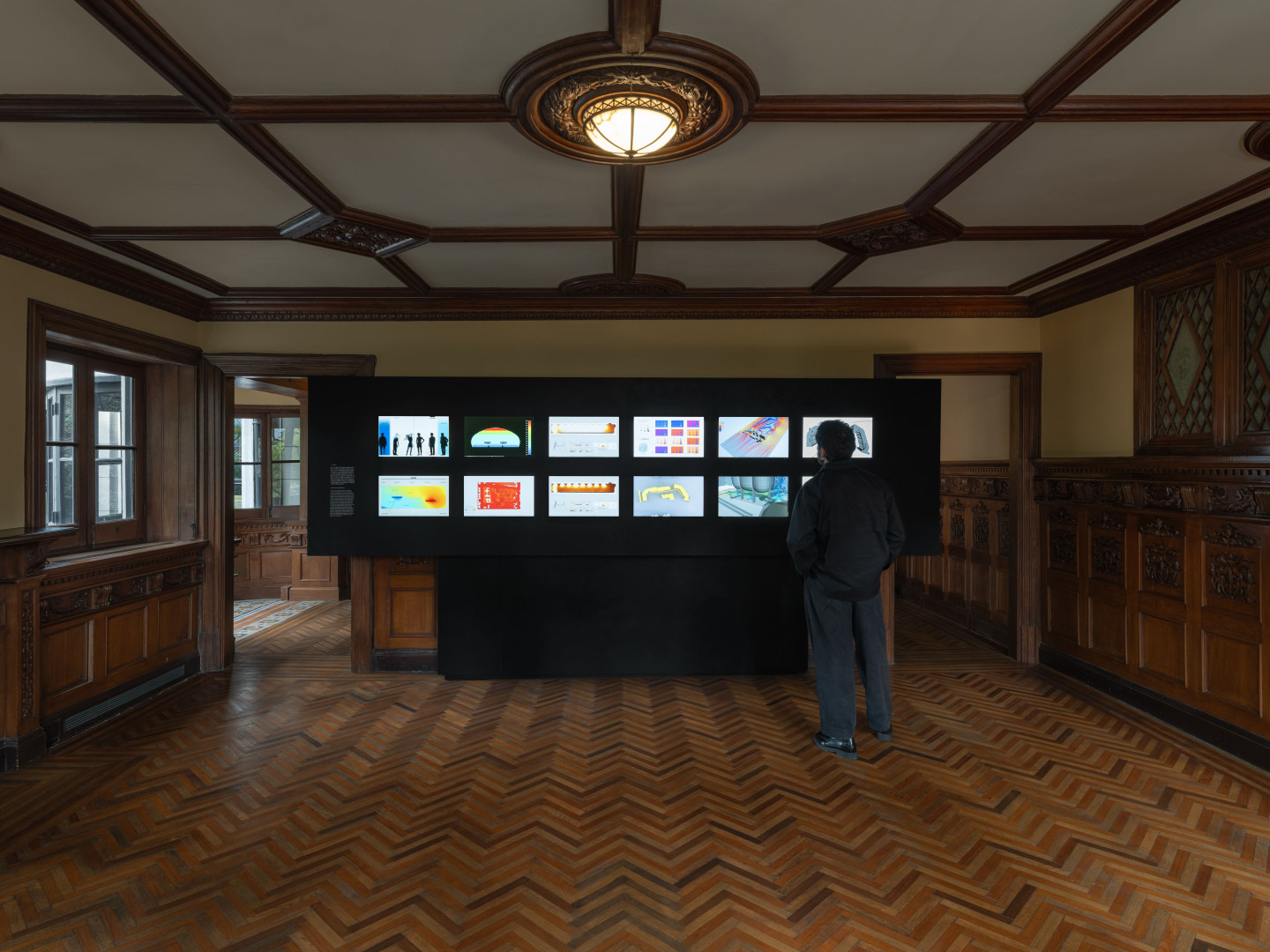
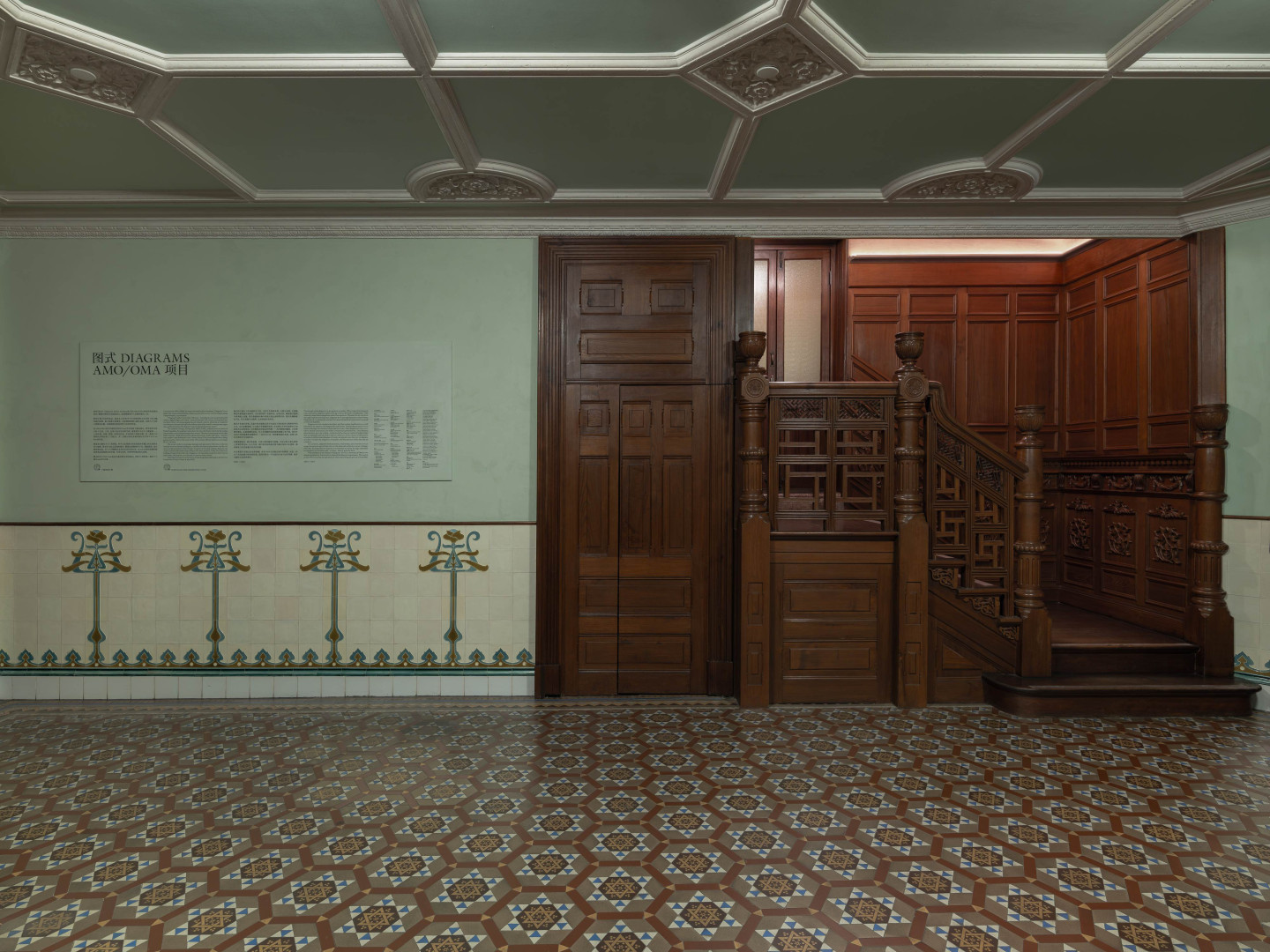
Exhibition views of “Diagrams: A Project by AMO/OMA”
Prada Rong Zhai, Shanghai
Photo: Alessandro Wang
Courtesy Prada
Notre équipe est résolument active dans l'expansion et le développement du domaine de la conception environnementale, ainsi que de ses outils analytiques. Nous sommes engagés avec plusieurs universités dans le monde pour y enseigner, donner des conférences et des ateliers, et nous publions régulièrement des articles de recherche sur divers sujets. Nous sommes constamment impliqués dans des projets de recherche et nous considérons le transfert de connaissances comme un moyen d'enrichir et mettre à jour notre pratique.
"The second chapter of the exhibition at Prada Rong Zhai gathers more than 150 items—including documents, printed publications, digital images, and videos—sourced from the 12th century to the present day and drawn from various geographical and cultural contexts. Materials are displayed according to a thematic principle that reflects some main contemporary world urgencies and demonstrates the diagram’s transversal and diachronic nature."
"The exhibition design, developed by AMO/OMA, unfolds across two levels of Prada Rong Zhai, throughout rooms that were once the theatre of private life, studio, conversation, and social gatherings of its owners. According to the principle of “now urgencies,” the show is structured into five thematic sections: Built Environment, Body, Resources, Truth, and Value. Within each section, diagrams appear in a wide range of formats and media—drawings, books, prints, and digital contents—to highlight the evolution of data communication and reflect how these instruments have adapted over time to different contexts, technologies, and audiences."
"A diagram can be roughly described as an instrument for envisioning information to reason about, communicate, and document, so that it
appears as a neutral and objective representation. The exhibition explores the diagram as an agent of meaning-making that actively shapes and influences human thought and life, and that can clarify or distort information depending on the data it presents. Today, more than ever, looking retrospectively at the role of diagrams over time helps us question their sources, authorship, and purpose, and critically reconstruct their context."
AMO/OMA
Exhibition views of “Diagrams: A Project by AMO/OMA”
Prada Rong Zhai, Shanghai
Photo: Alessandro Wang
Courtesy Prada