Photos 1,2,3,4,6,7 are from Javier Agustín Rojas
Photo 5 is from Mauro Ariel Romo
courtesy of: UTDT
Nuestro equipo trabaja activamente en la expansión y desarrollo del diseño ambiental y sus herramientas de evaluación. Damos clases y talleres en universidades, conferencias y publicamos regularmente artículos de investigación sobre diversos temas. Estamos constantemente involucrados en proyectos de investigación y consideramos la transferencia de conocimiento como una forma de enriquecer y actualizar nuestra práctica.
Wladimiro Acosta's thinking and work were pioneering in approaching architecture and climate with scientific rigour. Working from the observation of weather, of physical phenomena and of local ways of dwelling, Acosta developed an architecture adapted to its place. His research, which combines science, technique and design, retains a remarkable relevance today for its clarity and its common sense, offering a solid and timeless basis for designing in the face of the current climate crisis, bringing logic, good sense, the pleasure of inhabiting and a sense of belonging to place.
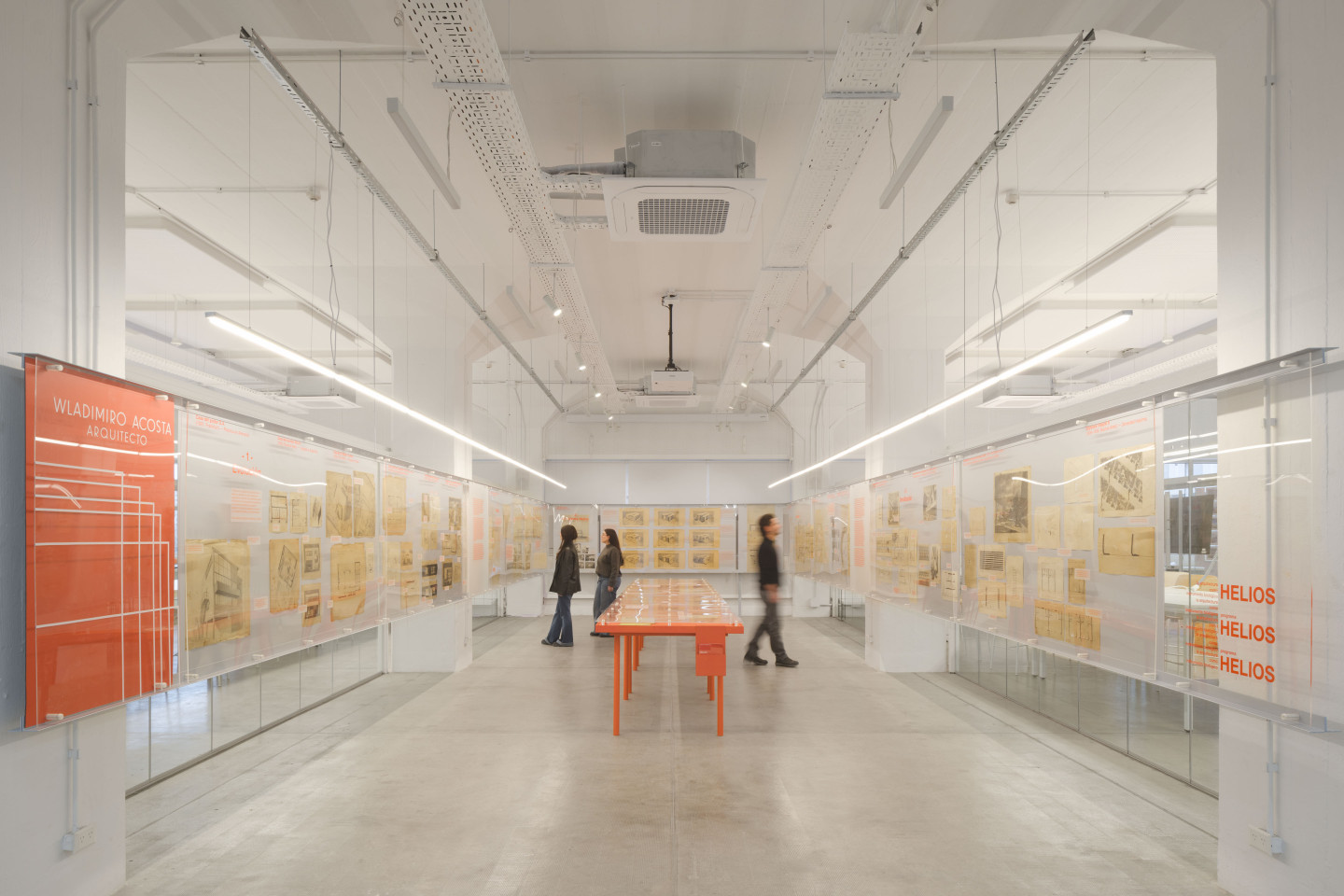
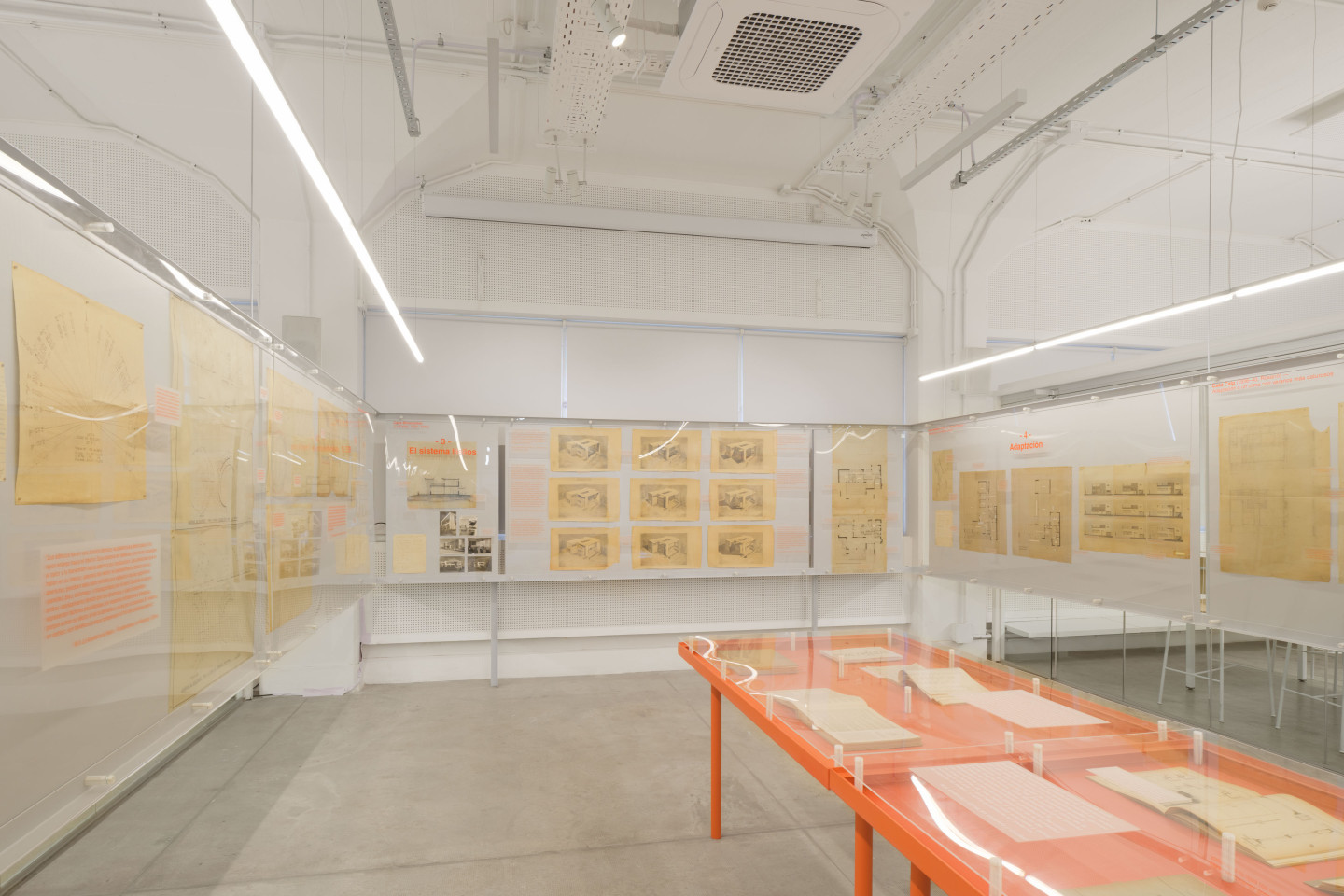
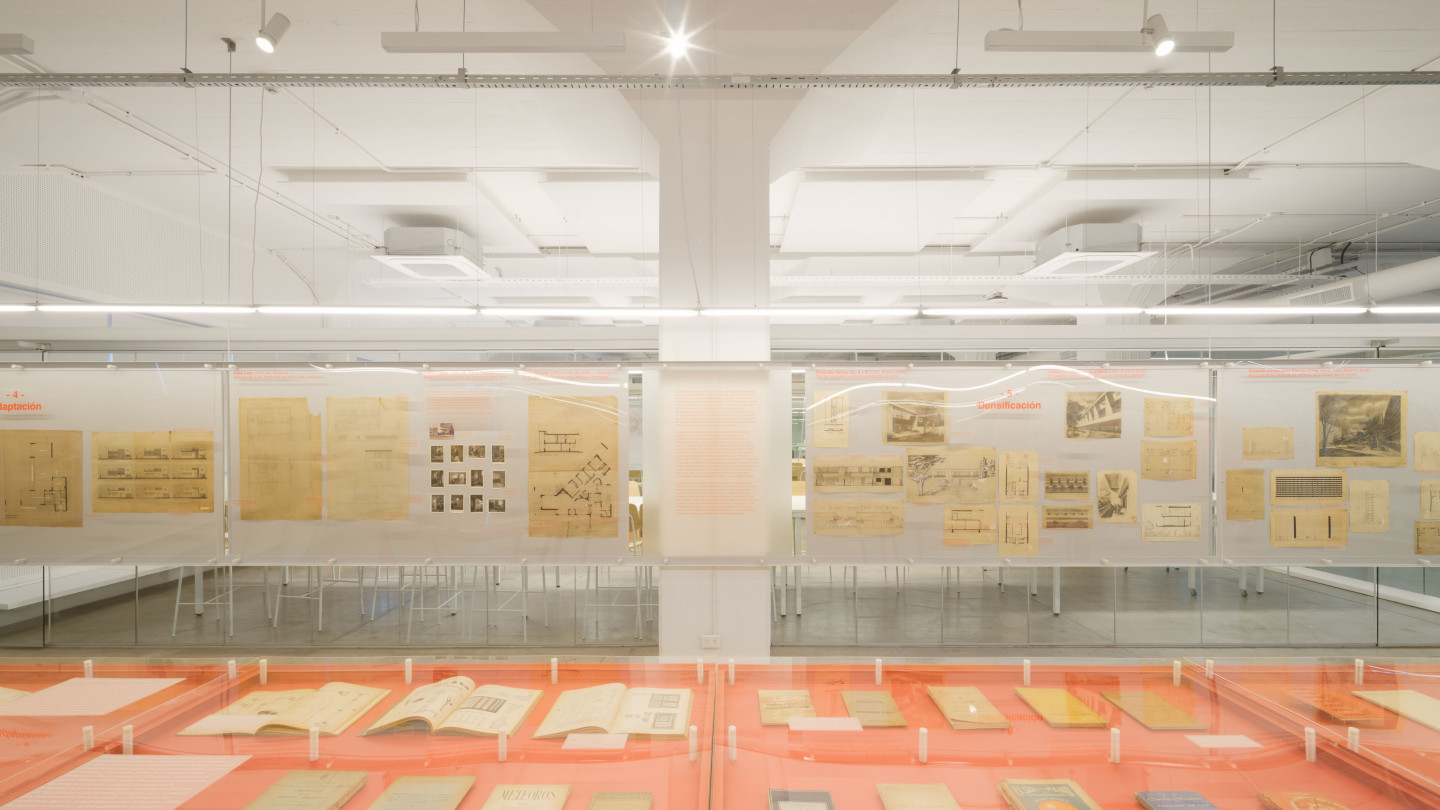
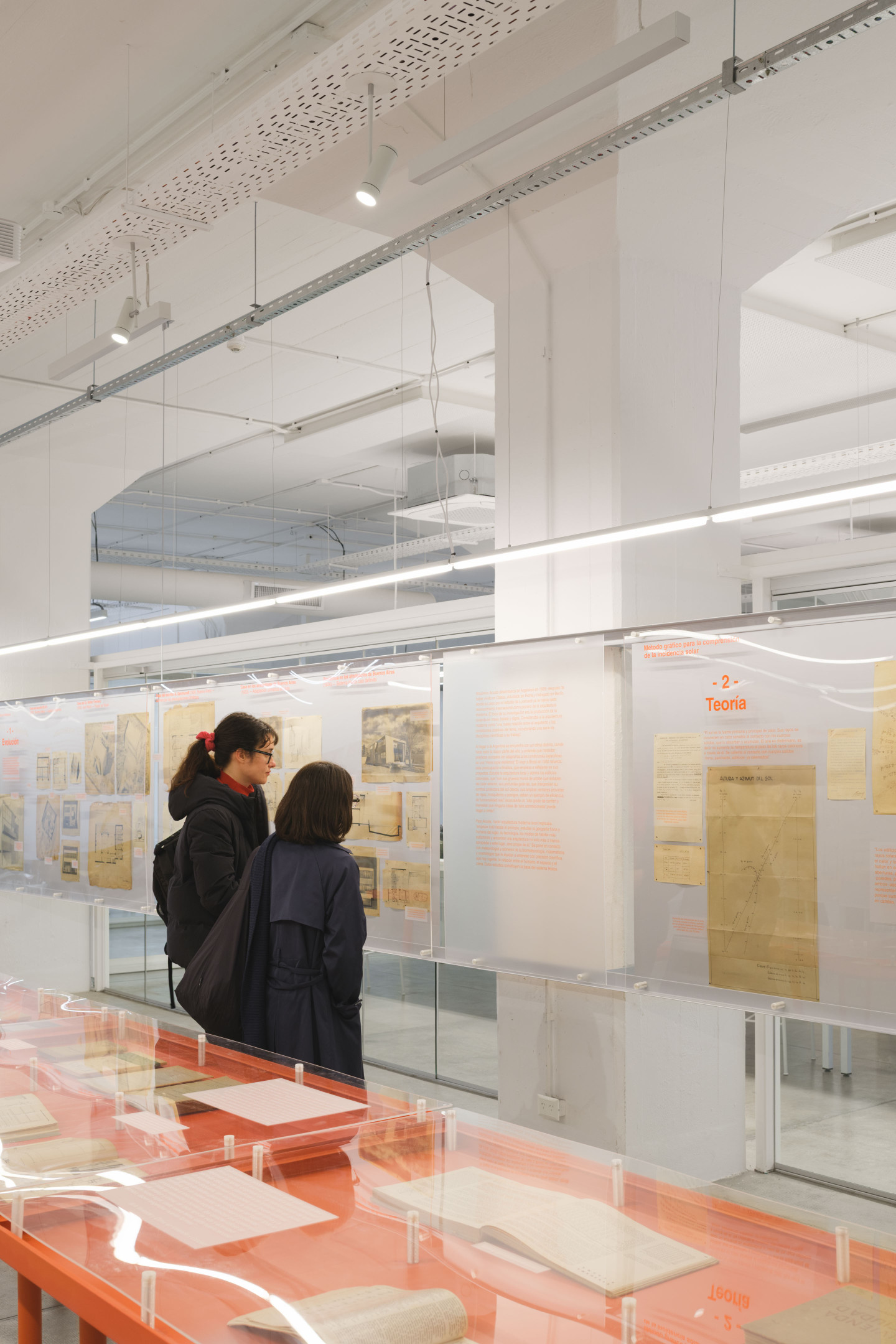
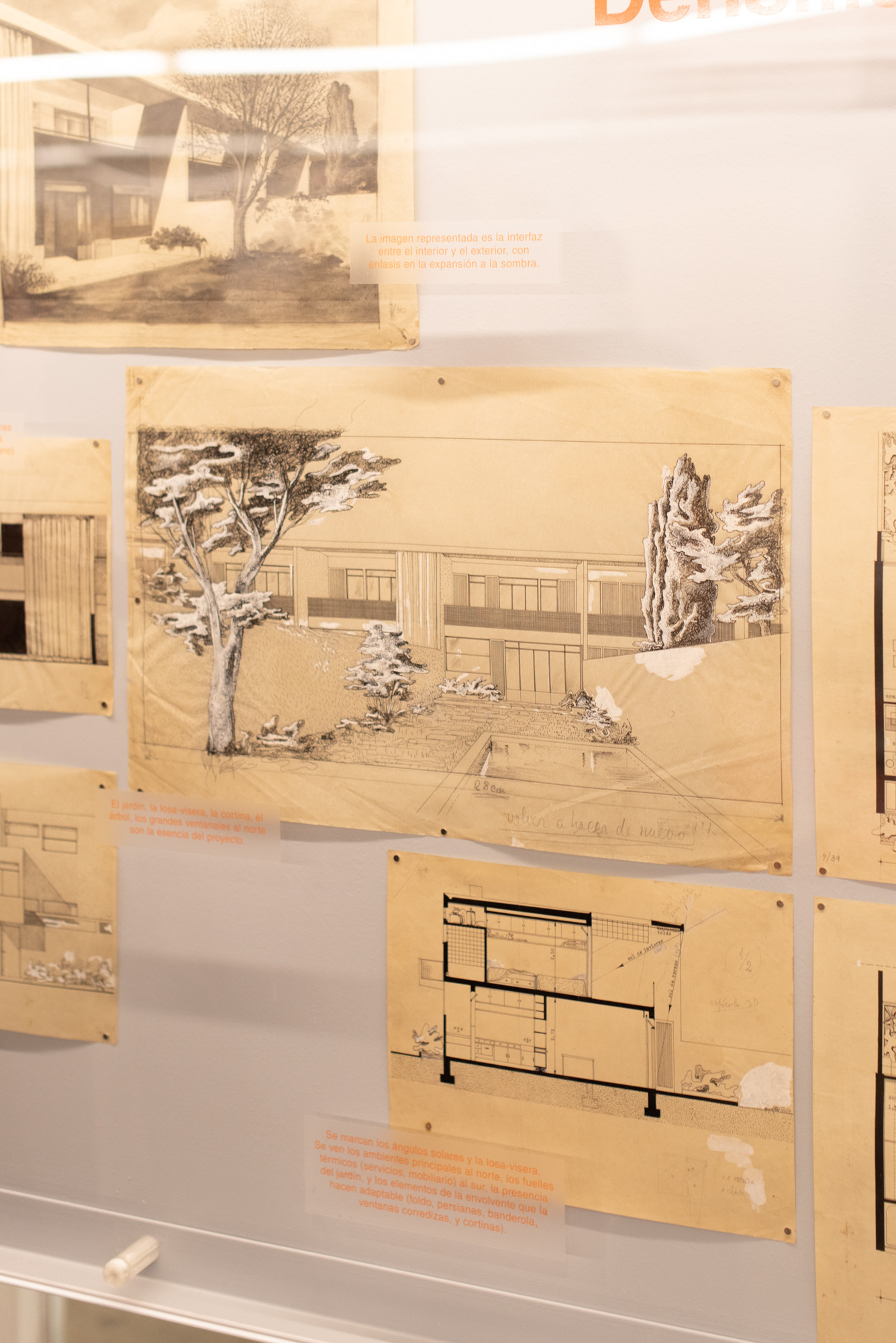
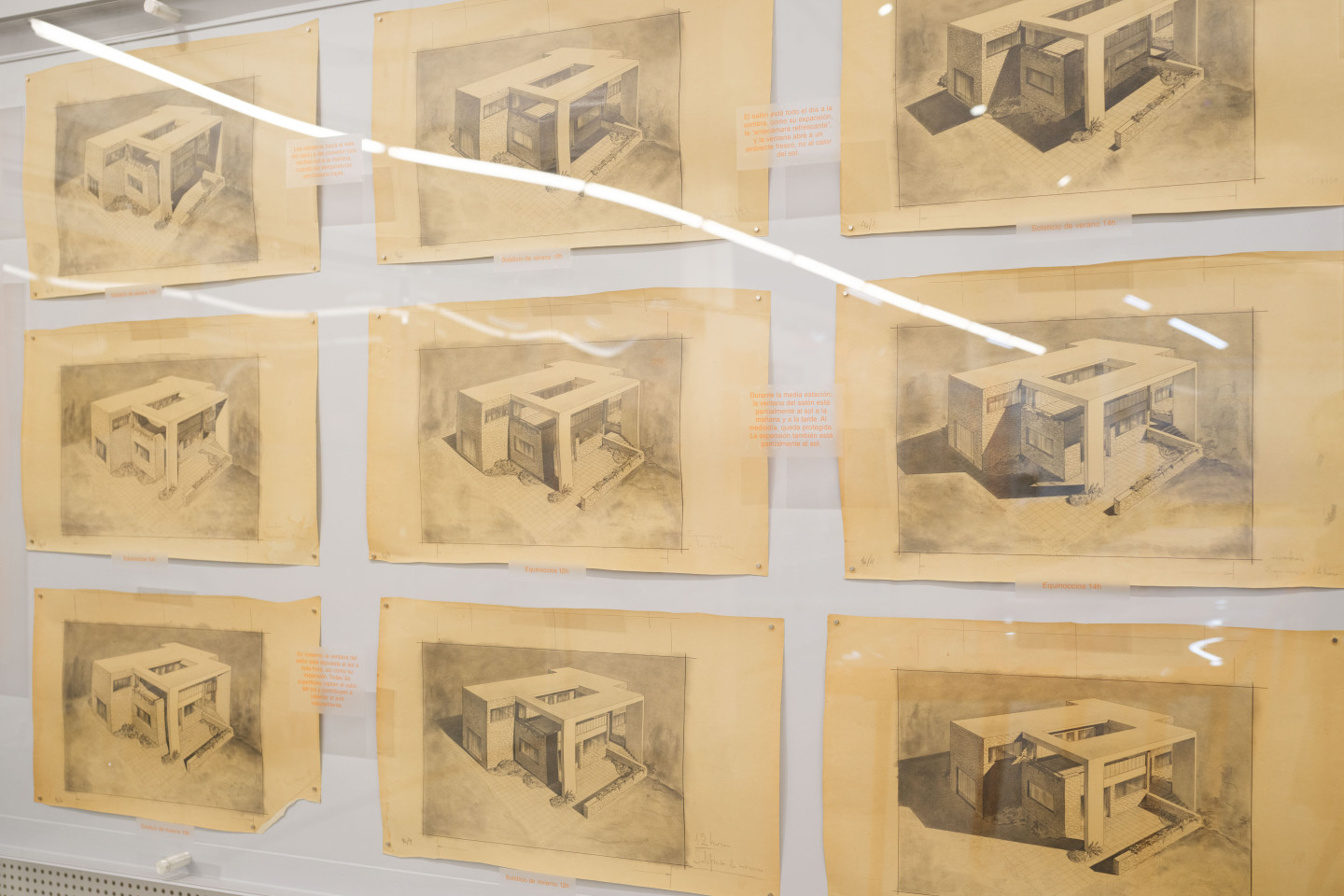
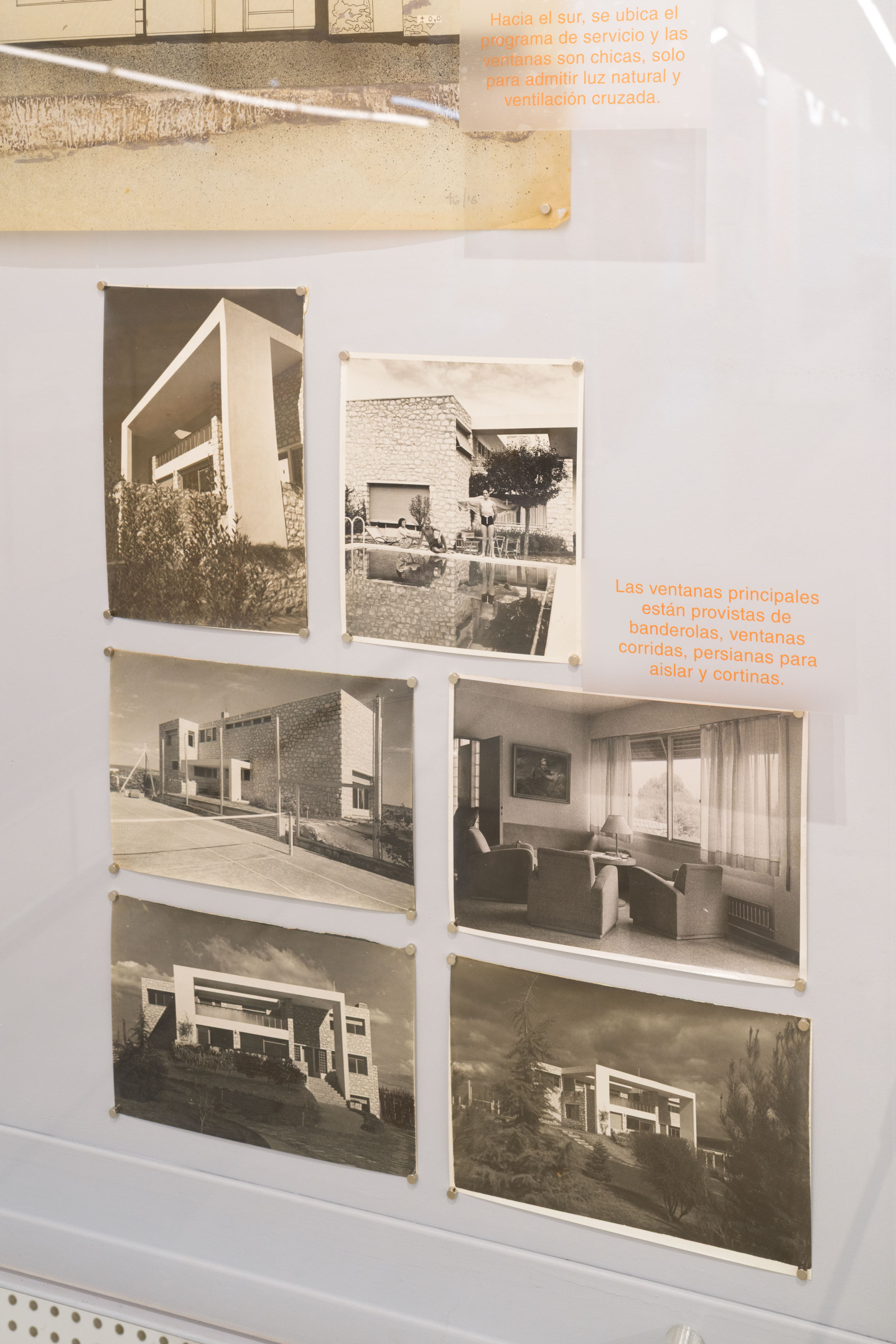
The Wladimiro Acosta fonds has formed part of the Di Tella Architecture Archive since the loan agreement concluded with Fundación IDA in early 2025, and is presented here in an exhibition devoted entirely to that body of documents. The exhibition brings together fragments of his work around climate, organised in six parts: Library, Evolution, Theory, The Helios System, Adaptation and Densification. Original drawings and books from his library are presented, making it possible to grasp the rigour, depth and coherence of his research. Although much of his output was disseminated in books and magazines, the original drawings and his library had remained unpublished.
The curatorial approach seeks to show how his thinking about climate is reflected in the architecture, incorporated as project data. The original drawings are accompanied by quotations from his books and by notes that guide the reading. At a moment when the response to reducing energy consumption tends to translate into ever more hermetic buildings that paradoxically end up serving energy use, Acosta's thinking reminds us that architecture gives its own answer when it adapts to its environment, makes use of natural resources and values the pleasure of inhabiting.
Research and curation: Florencia Collo
Exhibition design: Mariano Pensado
Graphic design: Andrés Sobrino
Photos 1,2,3,4,6,7 are from Javier Agustín Rojas
Photo 5 is from Mauro Ariel Romo
courtesy of: UTDT