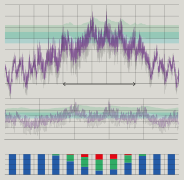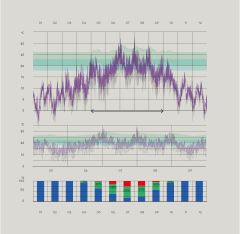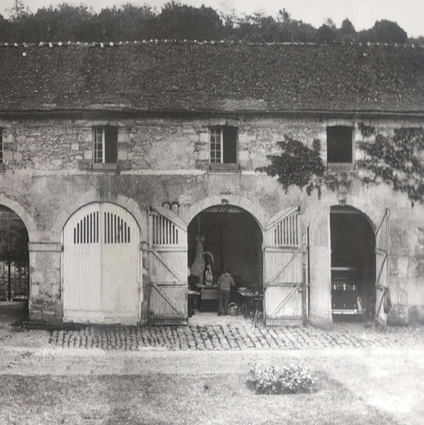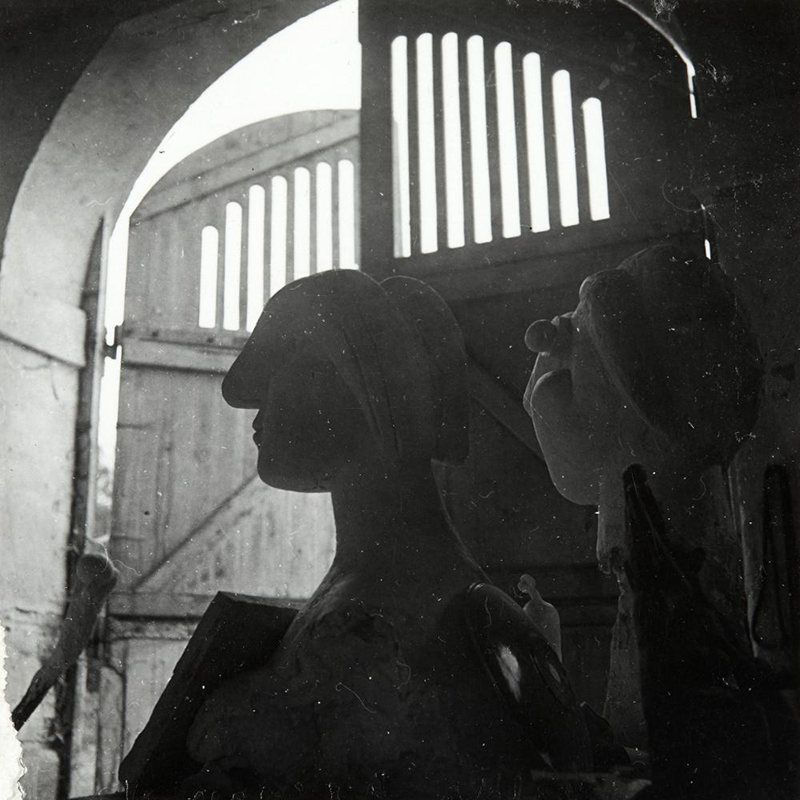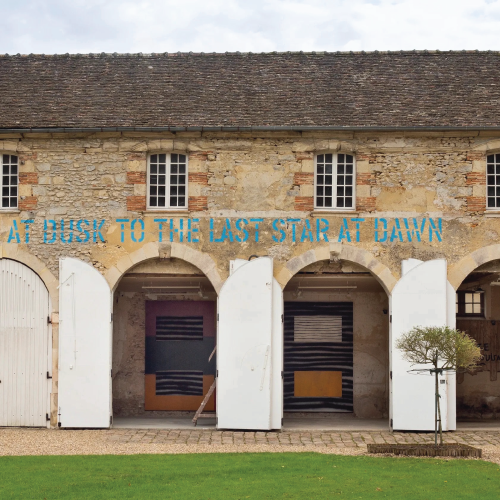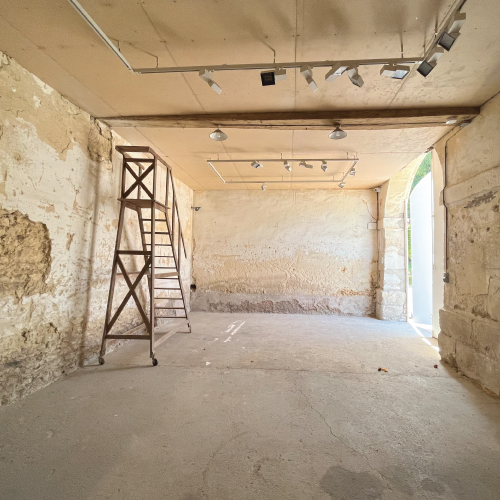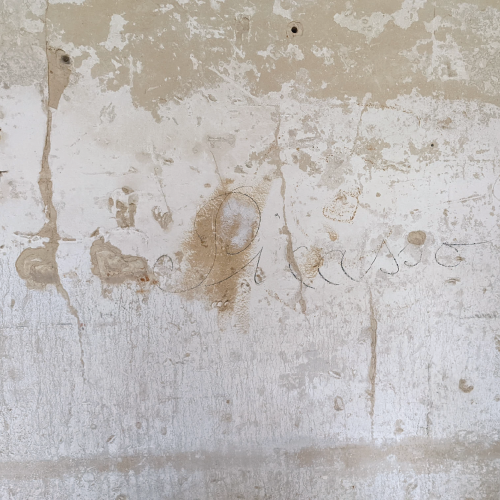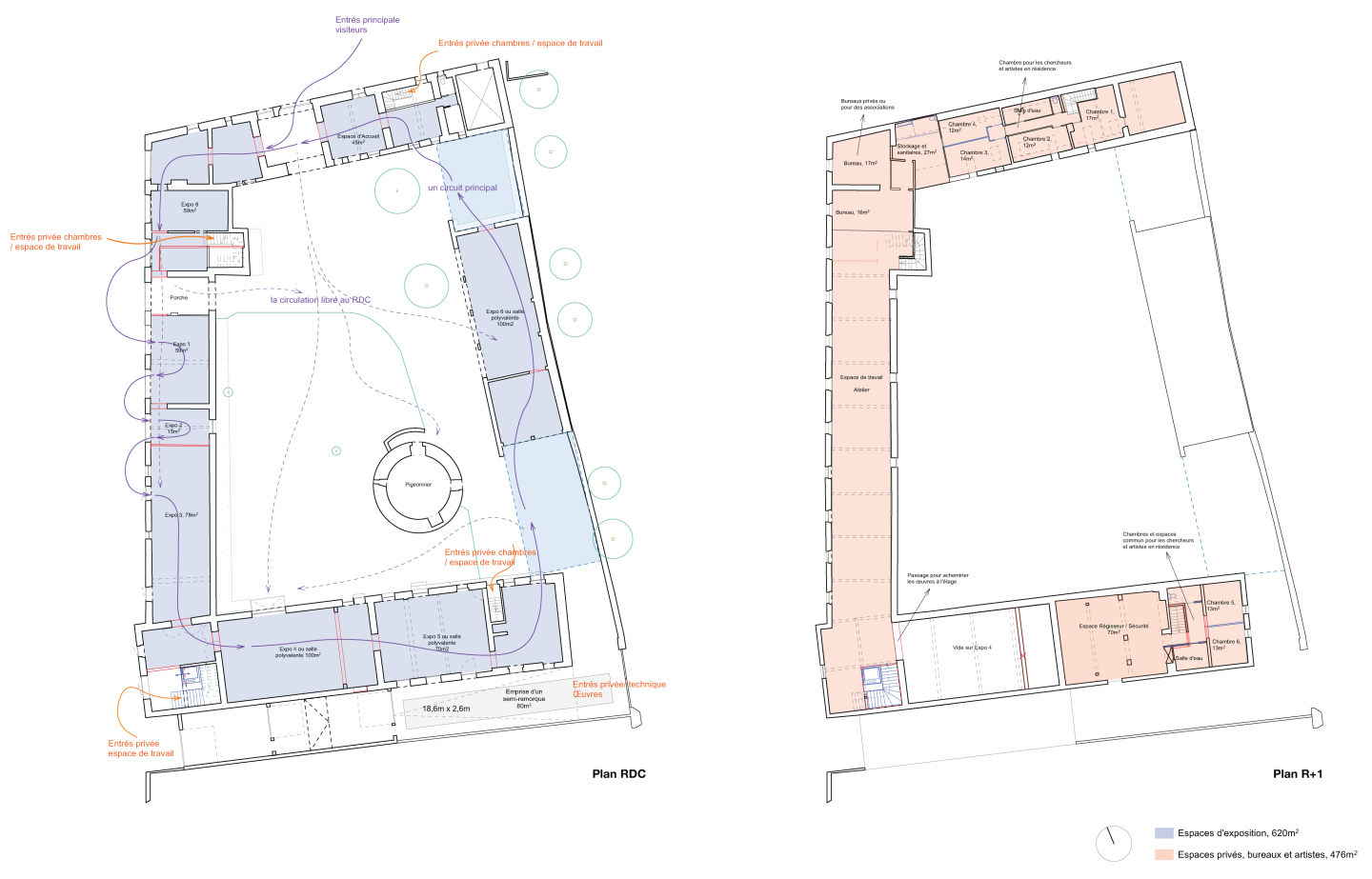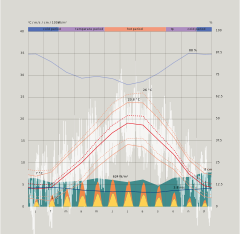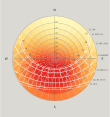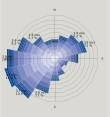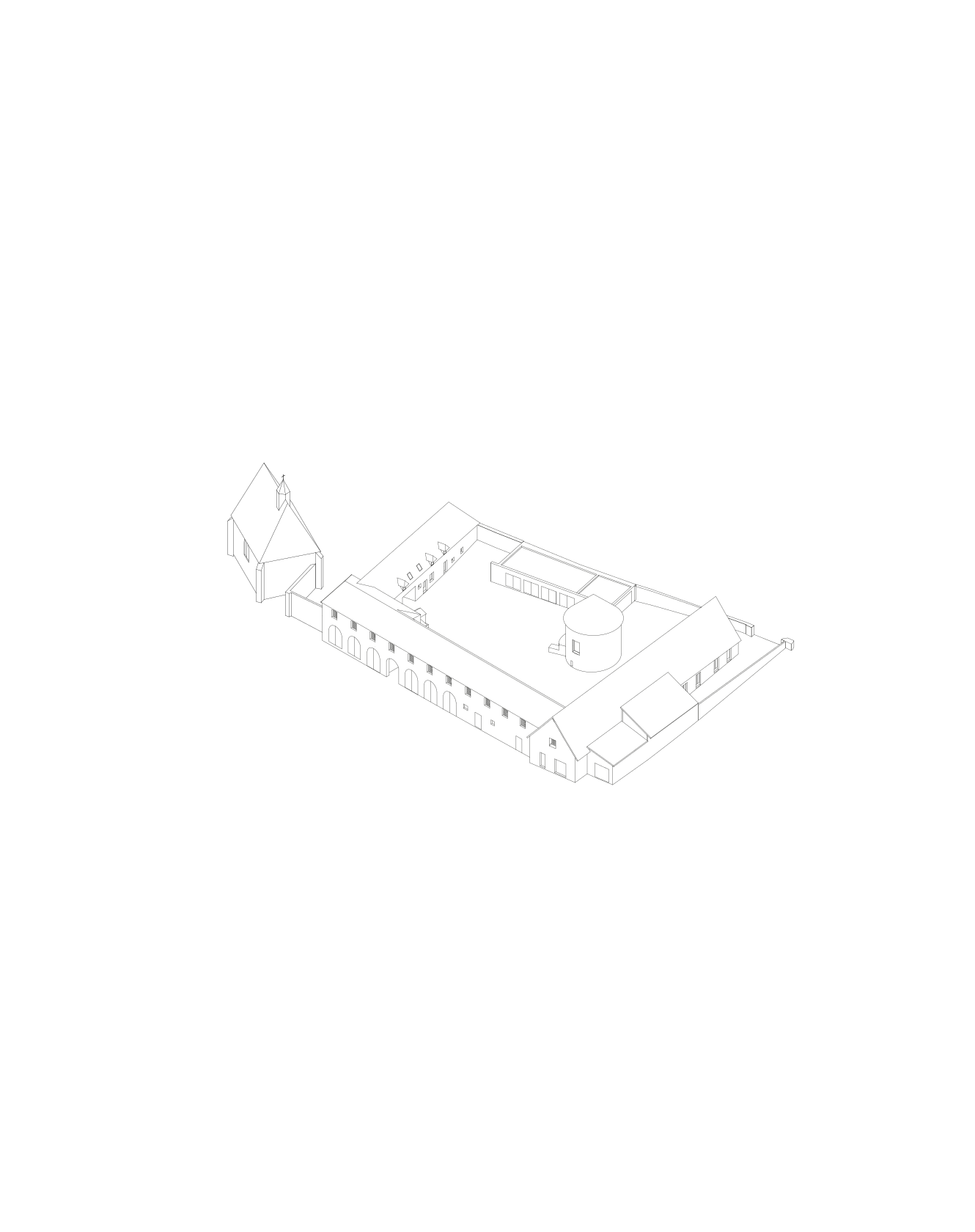
The spaces of the old ateliers offer very different microclimatic conditions. The ground floor were the spaces that Picasso used as ateliers, whereas the first floor has smaller spaces that were used as storage. Contrary to what was asked, the team opted to leave the ground floor as is, to preserve its spirit and avoid covering the walls where Picasso´s signature and drawings are visible. Exhibitions in these spaces will only happen during summertime as these should only host art pieces that can be exposed to light and the weather. If these were to be used as exhibition spaces all year round, they would either use far too much energy to be conditioned or they would have to be completely insulated to maintain acceptable conditions. The first floor will be renovated punctually, and will be conditioned to host exhibitions all year round. To host different types of art pieces, different conditions are required, and the space can be adapted to that. To prevent art pieces from degrading, they should receive only a limited amount of light (cumulated lux) a year. This amount depends on the materiality of the piece and can be classified in “over-illumination for sensitive objects”, or acceptable for “low”, “medium”, or “high” sensitive objects.
Cumulative Lux per year
Shading masks

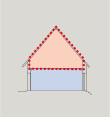
Conditioned vs unconditioned
Whereas the ground floor will be left as such, and art pieces will occupy the space only when natural conditions allow; the first floor will be insulated and will be able to host art pieces all year round.
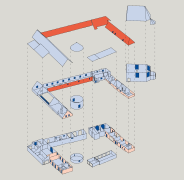
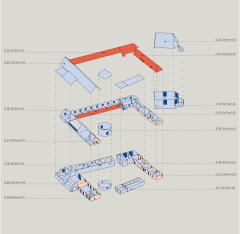
Current state of insulation
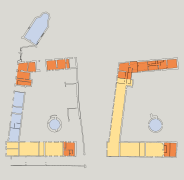
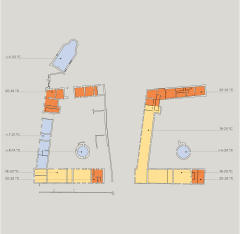
Thermally controllable spaces
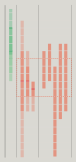
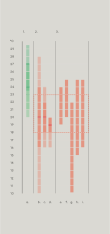
Guidelines for temperatures
- a. EN 15251
- CNAP
b. Low sensitivity reserves
c. Sensitive reserves
d. Photographic reserves - International Standards
e. Garry Thompson, The Museum Environment
f. Canadian Conservation Institute
g. National Trust (England)
h. ASHRAE
i. National Museum Directors Conference