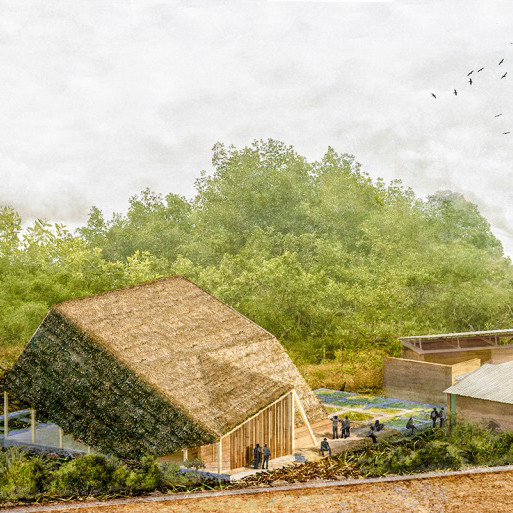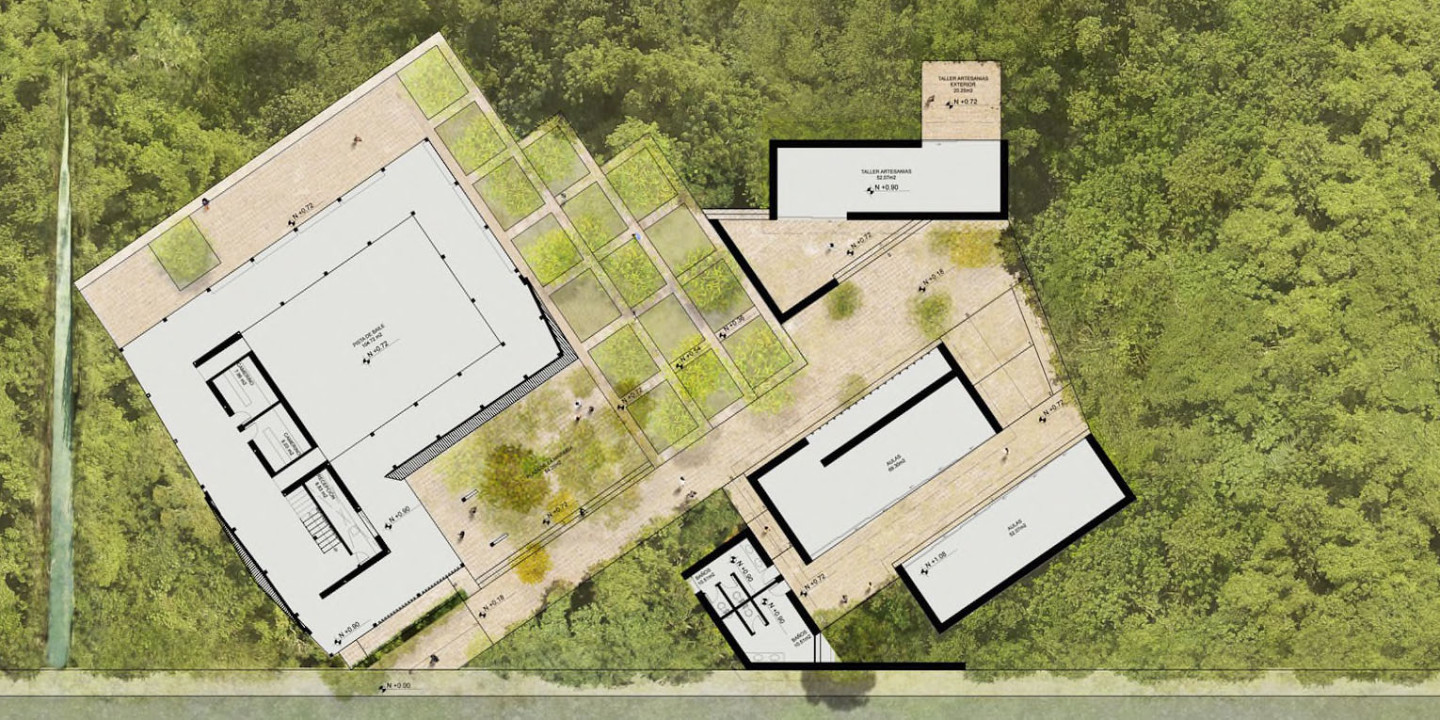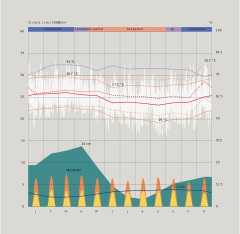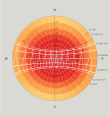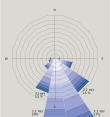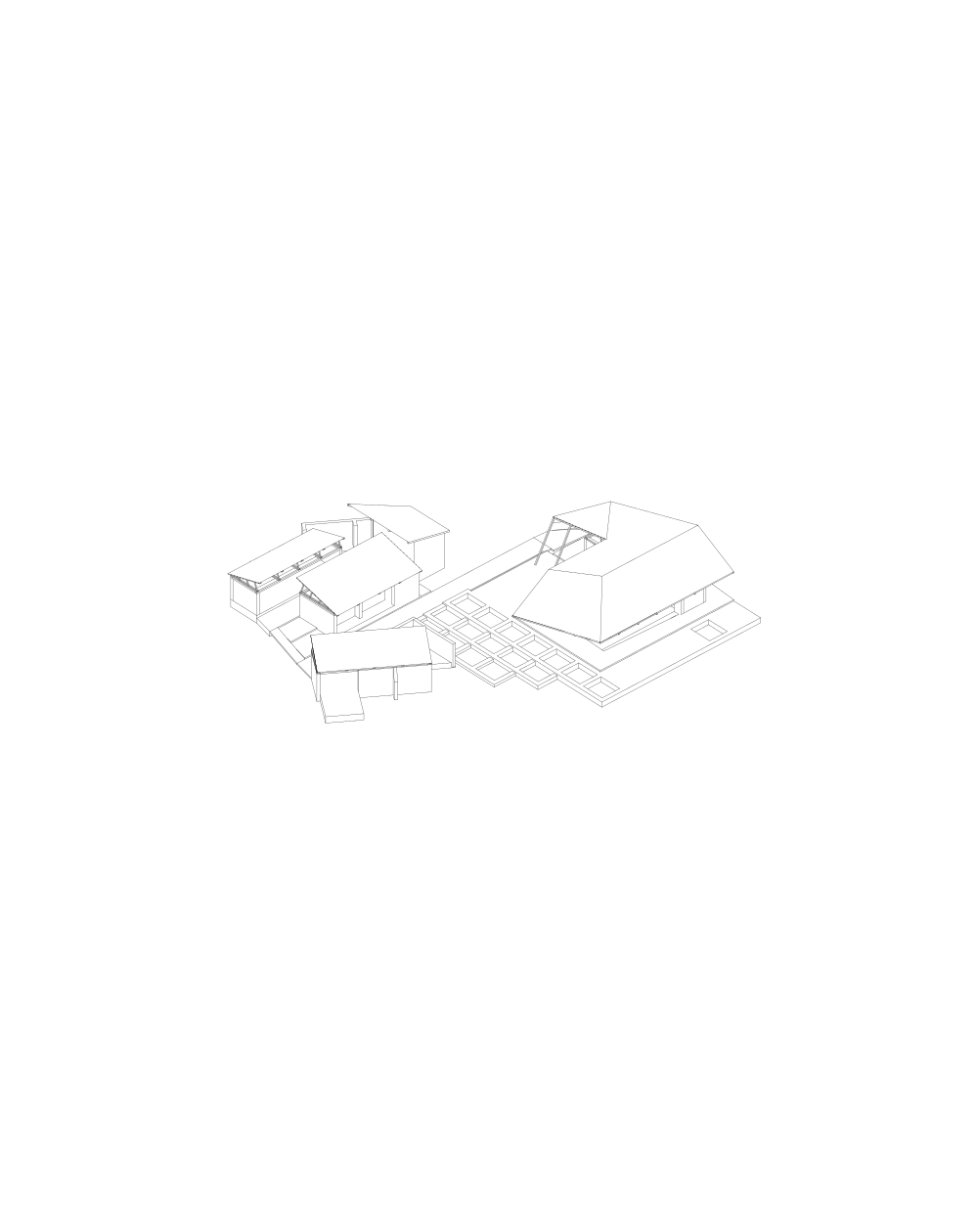
The constant heat of the tropics calls for open buildings, effective solar protection and air flow. To cool down occupants, strategies should aim to maintain the temperature indoors below that of outdoors, and for air to flow at body height. Also, with only the sight of the sky, glare can become intolerable, which is crucial to maintain adequate visual conditions in classrooms. In this case, the objective was to provide the adequate angles, width and length of the horizontal and vertical planes in order to protect the interior from direct sun, the sight of the sky and to foster natural ventilation. PET (Physiologically Equivalent Temperature) is an indicator of felt temperature. In this case, the main building was made open and with a thatched roof to insulate from the heat and to bring down the felt temperature below that of the air. The classrooms with more enclosed walls and a metallic roof (although doubled with a ventilated gap) have a PET higher than the air temperature.
Air temperature vs. Felt temperature
PET (Phisiologically Equivalent Temperature) is a method to evaluate the felt temperature outdoors considering the effect of the sun, wind and temperature of surrounding surfaces. It considers the person is sitting and with everyday clothing.
For the tropical climate, if the PET is lower than air temperature, it means the construction is improving the thermal sensation.
Sky view factor
-
100
-
90
-
80
-
70
-
60
-
50
-
40
-
30
-
20
-
10
-
0
In a tropical climate, solely the sight of the sky produces intolerable glare
Hours of direct sun
-
0
-
200
-
400
-
600
-
800
-
1000
Direct sun is to be avoided as it can add heat to an already hot air temperature
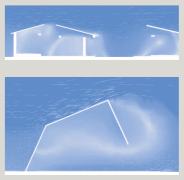
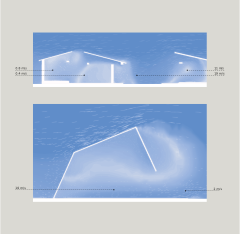
Wind speed
-
0
-
0.5
-
1
-
1.5
-
2
-
2.5
Wind direction: north west
Average speed: 2.5 m/s
Frequency: 35% of the year