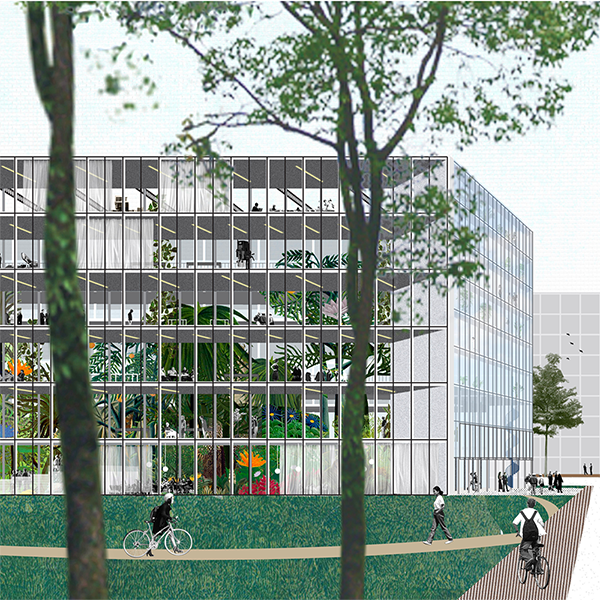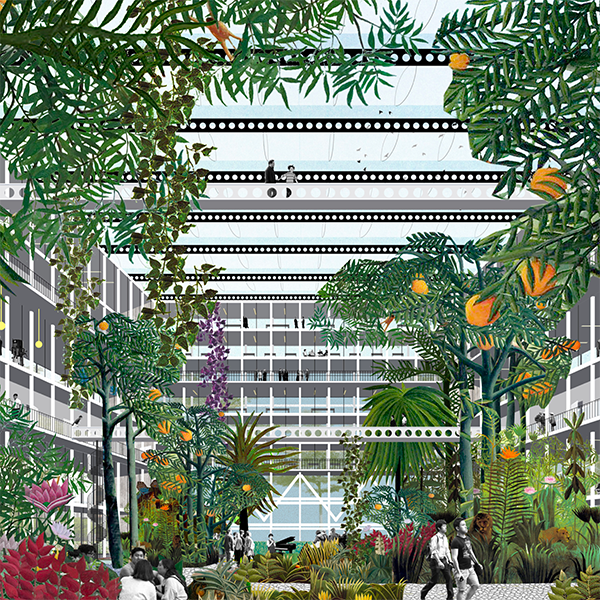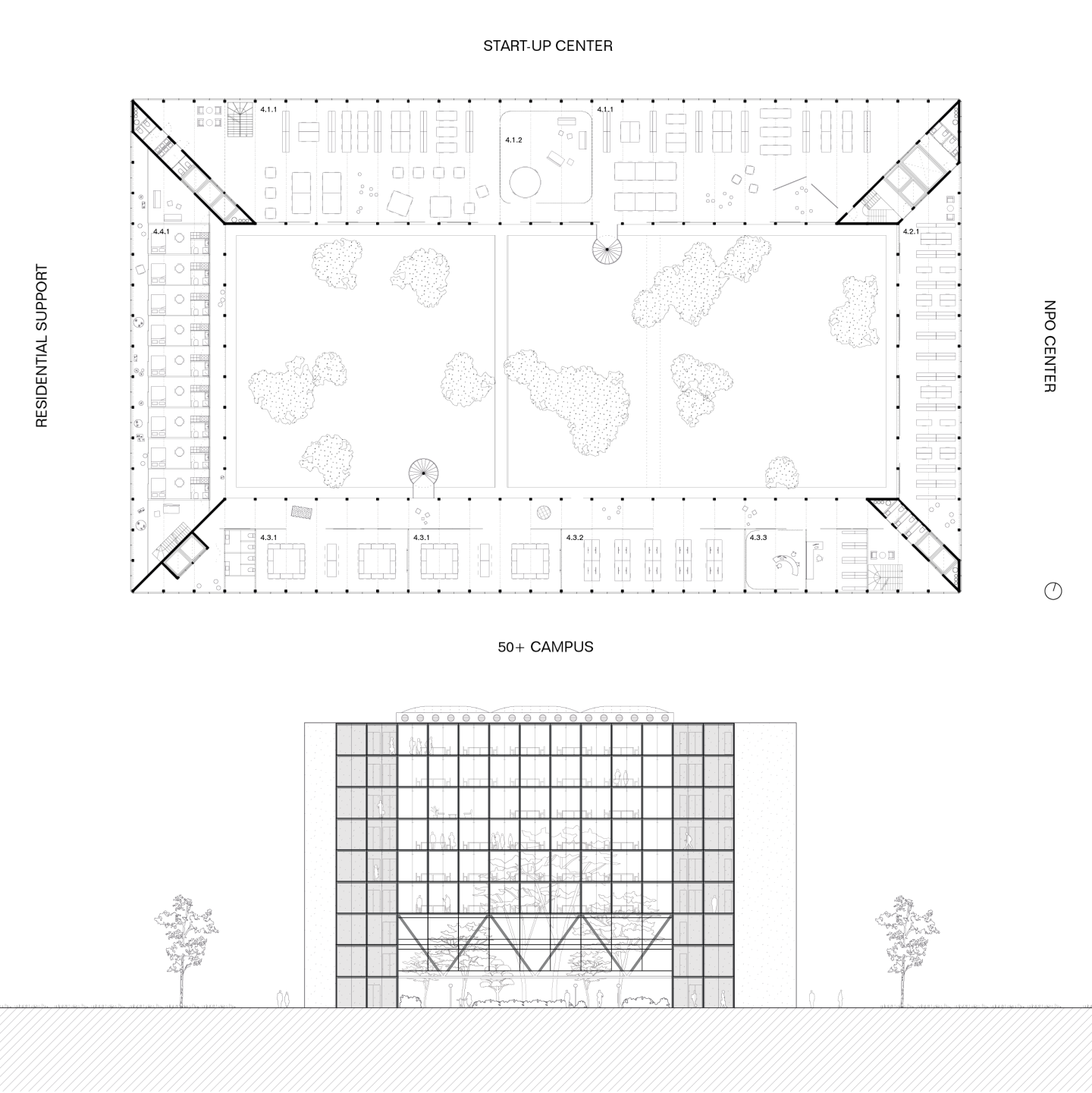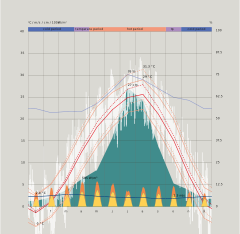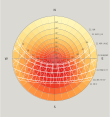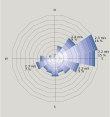
Seoul´s climate is quite extreme, with very cold winters (avg of -2ºC in January) and hot summers (avg high of 29ºC in August). The feeling of hot is intensified due to the very high humidity levels. In order to tame such conditions, the building needs to be resilient: the four parts of the programme come together under a roof that is operable. This generates a compact building during winter with an enclosed temperate courtyard, and a porous building during summer, with shallow plans easy to ventilate. The courtyard functions as a semi-outdoor space buffering outdoor extreme conditions. The main heat sources, solar and internal heat gains (occupancy, lights and equipment) and its combination are fundamental to minimise energy consumption. In this case, the strategy consisted in matching the distribution of the diverse programme with an adequate solar exposure. During winter, 50% of sunny days allow to benefit from solar gains. To tackle the cold, the project encloses itself to become more compact while generating thermal buffers. These unheated intermediate spaces collect solar gains and wasted heat from surrounding spaces, reaching a higher temperature than the outdoor one. During summer, natural ventilation can effectively displace heat and cool down occupants. Buffer spaces open up to maximise heat loss and provide shading while ensuring effective natural ventilation. The courtyard becomes an open space, semi-shaded, semi protected from the rain.
Incident solar radiation
-
0
-
140
-
280
-
420
-
560
-
700
Solar radiation represents the solar heat each glazed surface receives throughout the year. Each facade receives radiation differently depending on orientation and context obstructions.
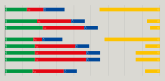
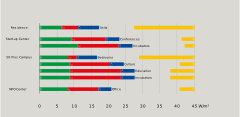
Thermodynamic balance
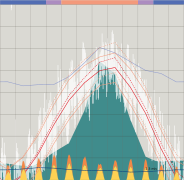
Thermodynamic balance between internal gains and solar gains
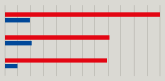
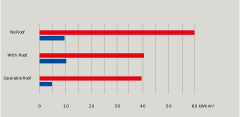
Resiliency impact on energy demand