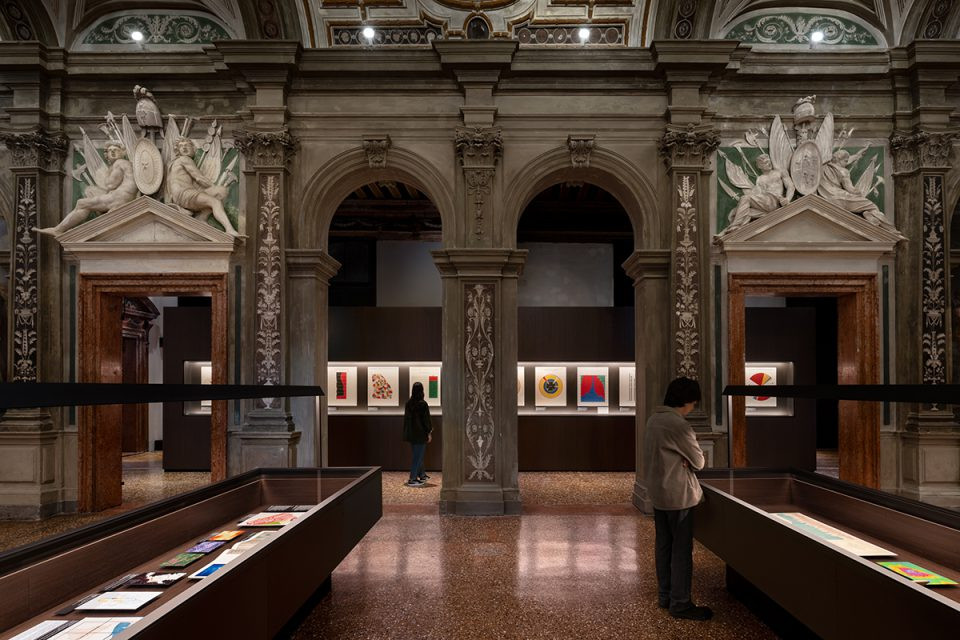
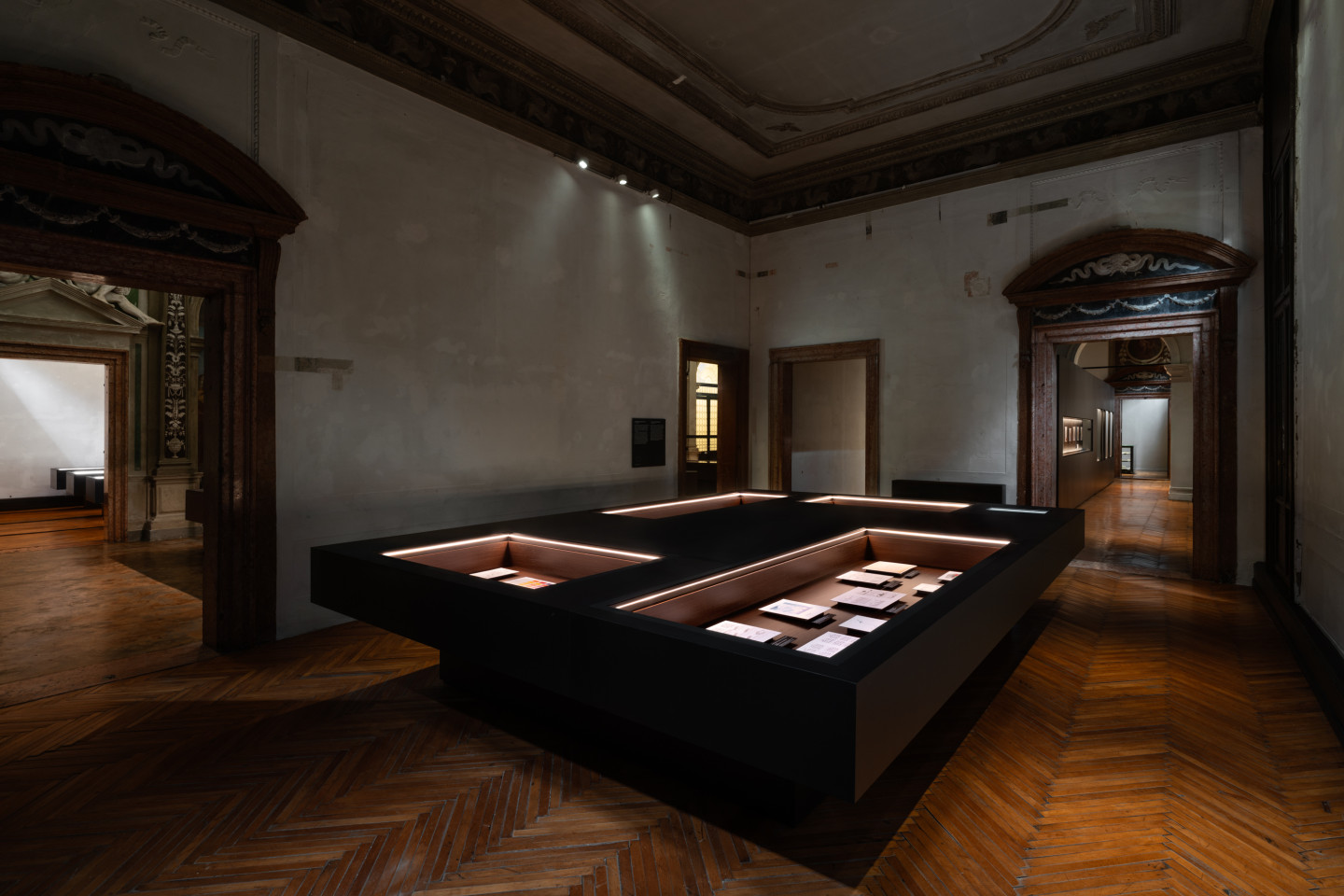
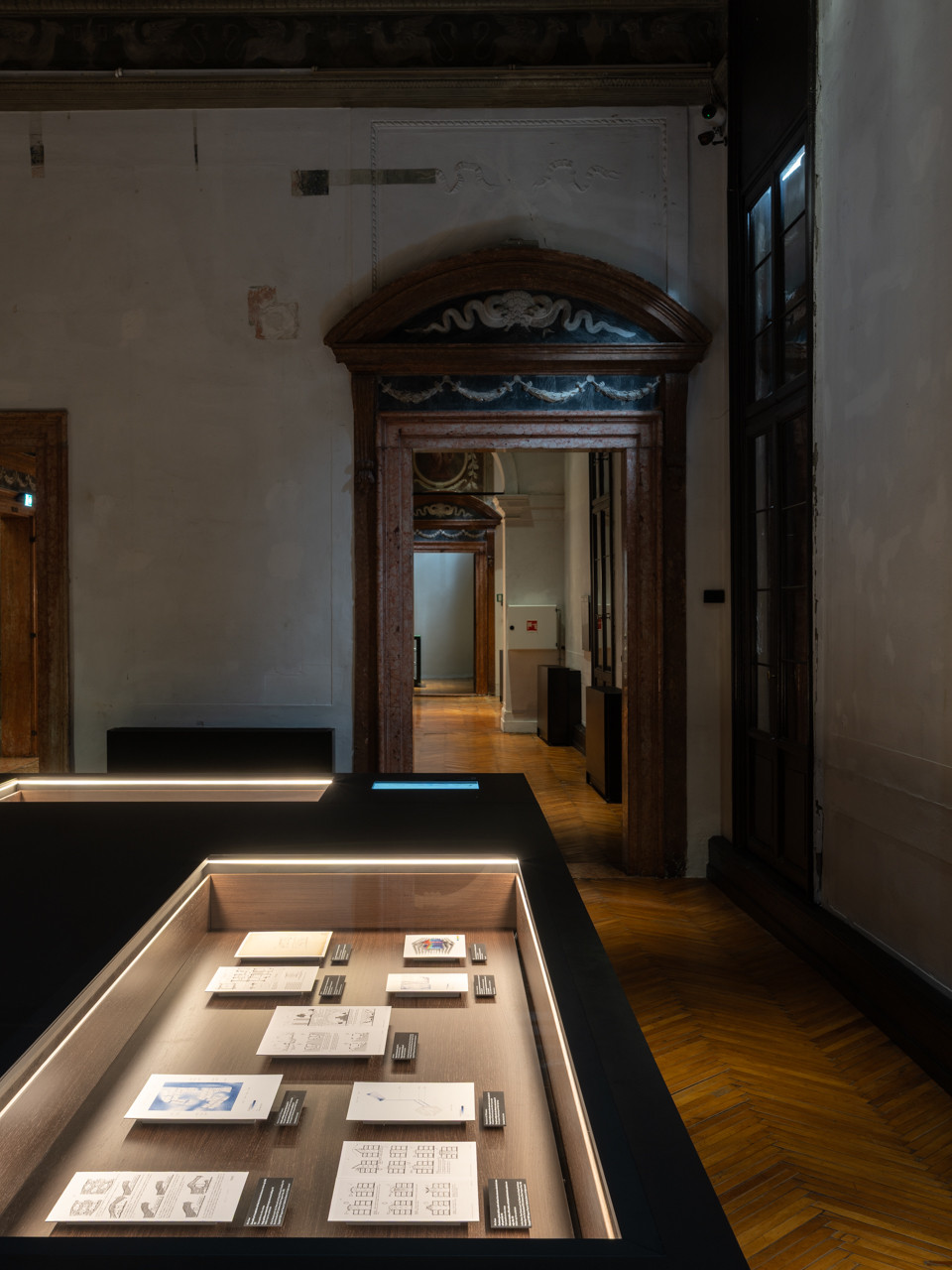
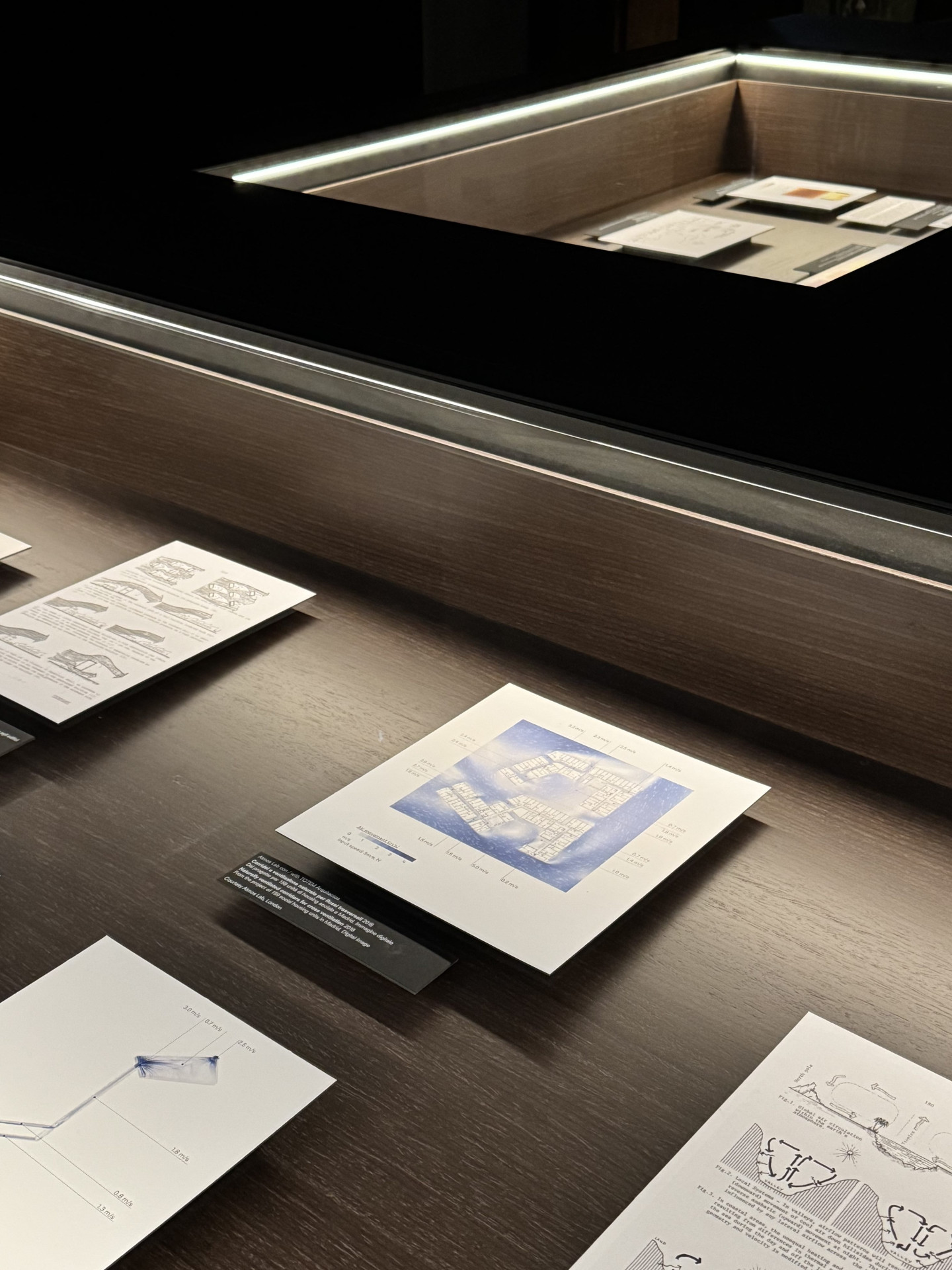
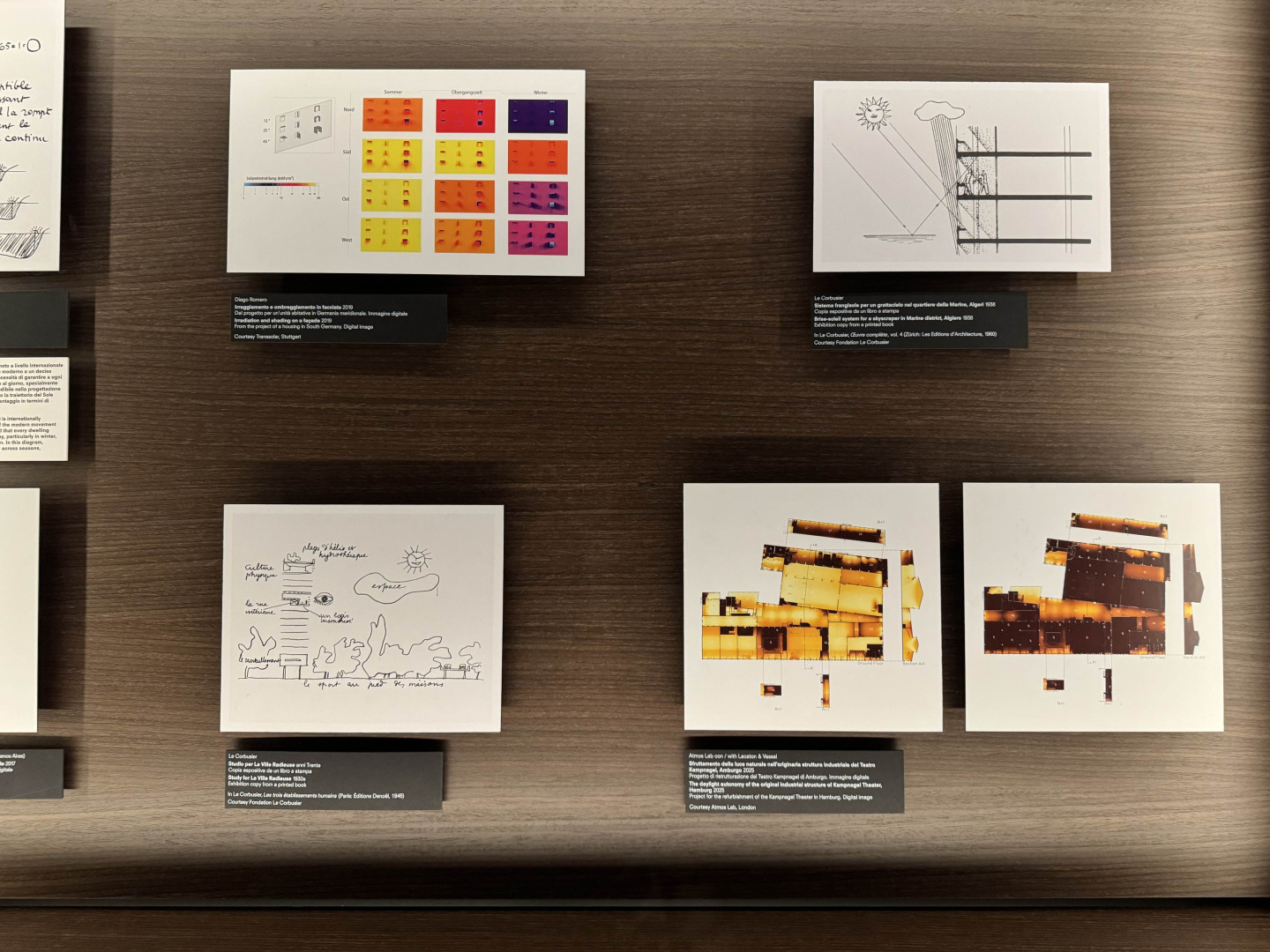
images 1,2,3: Photo: Marco Cappelletti, Courtesy: Fondazione Prada
images 4,5,6: Théophile Chatelais
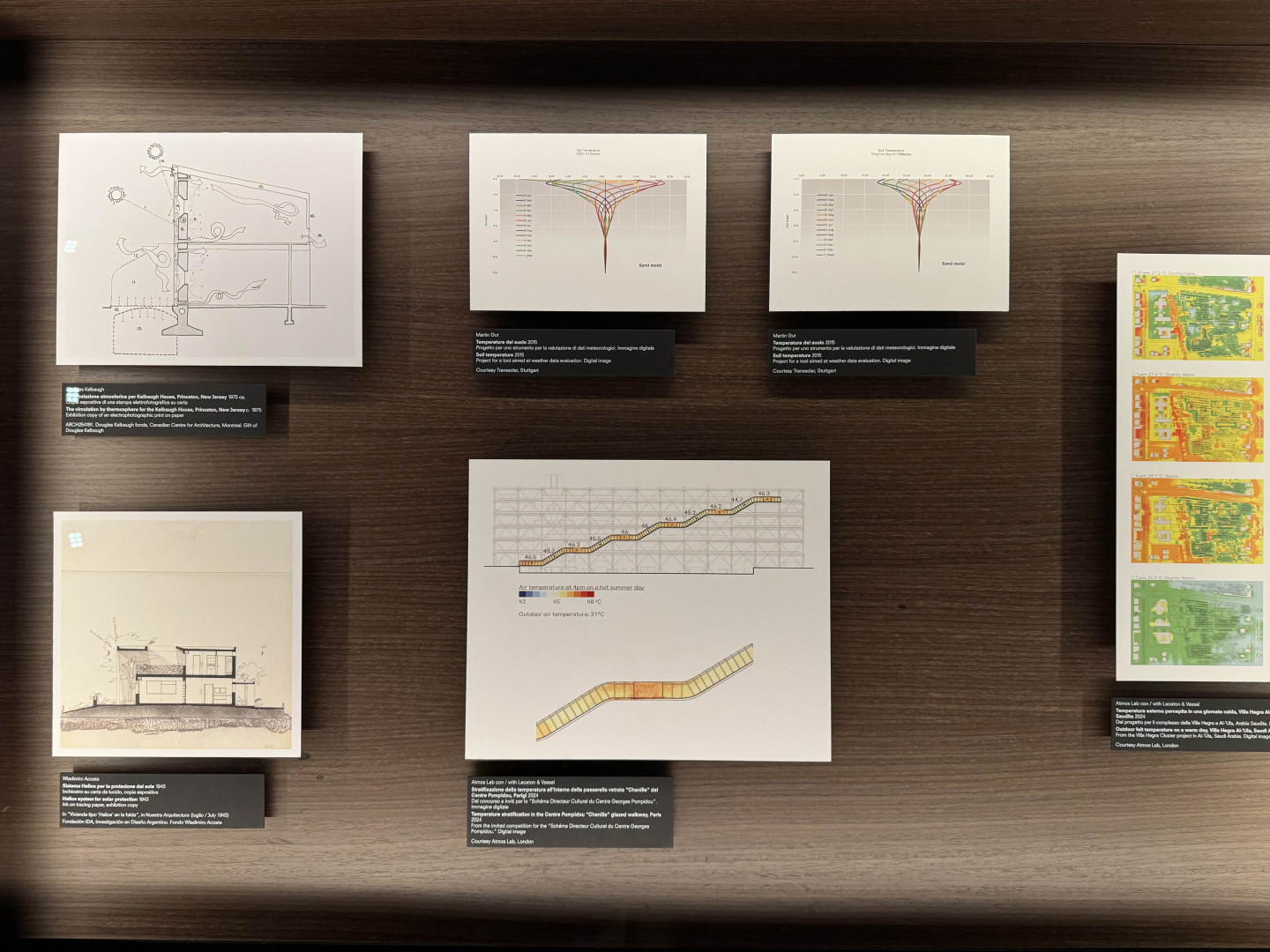
Our team is firmly active in the expansion and development of environmental design and its assesment tools. We are engaged with many universities accross the globe providing courses, lectures and workshops and regularly publish research papers on various topics. We are constantly involved in research projects and consider transfer of knowledge as ways of enriching and updating our practice.
"The strength of the diagram is in its apparent neutrality. Often stripped of ornament, scale, and context, diagrams imply knowledge without the burden of explanation. Their authority comes from arrangement rather than argument. Whereas retoric convinces through emphasis and sequence, diagrams do so through structure and proximity. Diagrams rely on abstraction and seek to transcend historical conventions in pursuit of universal legibility.
Diagrams are not a modern invention, and their earliest manifestations are still part of how we organize and interpret the world today. They are the precursors of anatomical drawings, astronomical charts, and even maps. Many diagrams do not convey what is already understood but rather communicate presumptions. They illustrate ideas that have yet to be verified-territories before they are explored, bodies before they are dissected, and stars before they are observed. As the volume of information we interact with becomes inhuman in its scale, we depend more than ever on diagrams as tools to visualize the categories, hierarchies, and dependencies of the data that surrounds us.
For architects, diagrams distill intentions, relationships, and constraints into an image that gives an aura of objectivity to the inherently subjective nature of design. Our office has long relied on diagrams as mechanisms to expose the logic embedded in a program, to test scenarios, and—at times-to directly generate form.
This exhibition is not a history of diagrams. Nor is it a showcase of AMO/OMA's own diagram production. It is an archive of spatial thinking and organization. The content is presented according to nine topics that have long shaped human life, but that now rear up again and again with renewed intensity: the built environment, health, inequality, migration, environment, resources, war, truth, and value.
Contemporary conditions and historical precedents are placed side by side. Each topic is explored through a specific sub-category, in which the urgency takes on a more acute form, and through the work of a pioneer in diagram design. The result is an open field of activity and operation, in which many things are proven to be possible."
AMO/OMA
images 1,2,3: Photo: Marco Cappelletti, Courtesy: Fondazione Prada
images 4,5,6: Théophile Chatelais