MainSilhouetteArtboard 1
Artboard 1
Chateau Lafite_Axo_silhouette
Artboard 3
Artboard 1
Artboard 3
Ghent_Axo_silhouette
GL Pau_Axo_silhouette-01
EMVS_Axo_silhouette
Ministerio_Axo_silhouette
Hamburg_Axo_silhouette
Cafferata_Axo_silhouette
Halle bioclimatique_Axo_silouhette-small
Palenque_Axo_silhouette
Crystal Palace_Axo_silhouette
Carriego_Axo_silhouette
Coeur de Carnolès
Roquebrune Cap-Martin, France
Ogic
NP2F
2021
35300 m²
New built
Collective housing
Competition

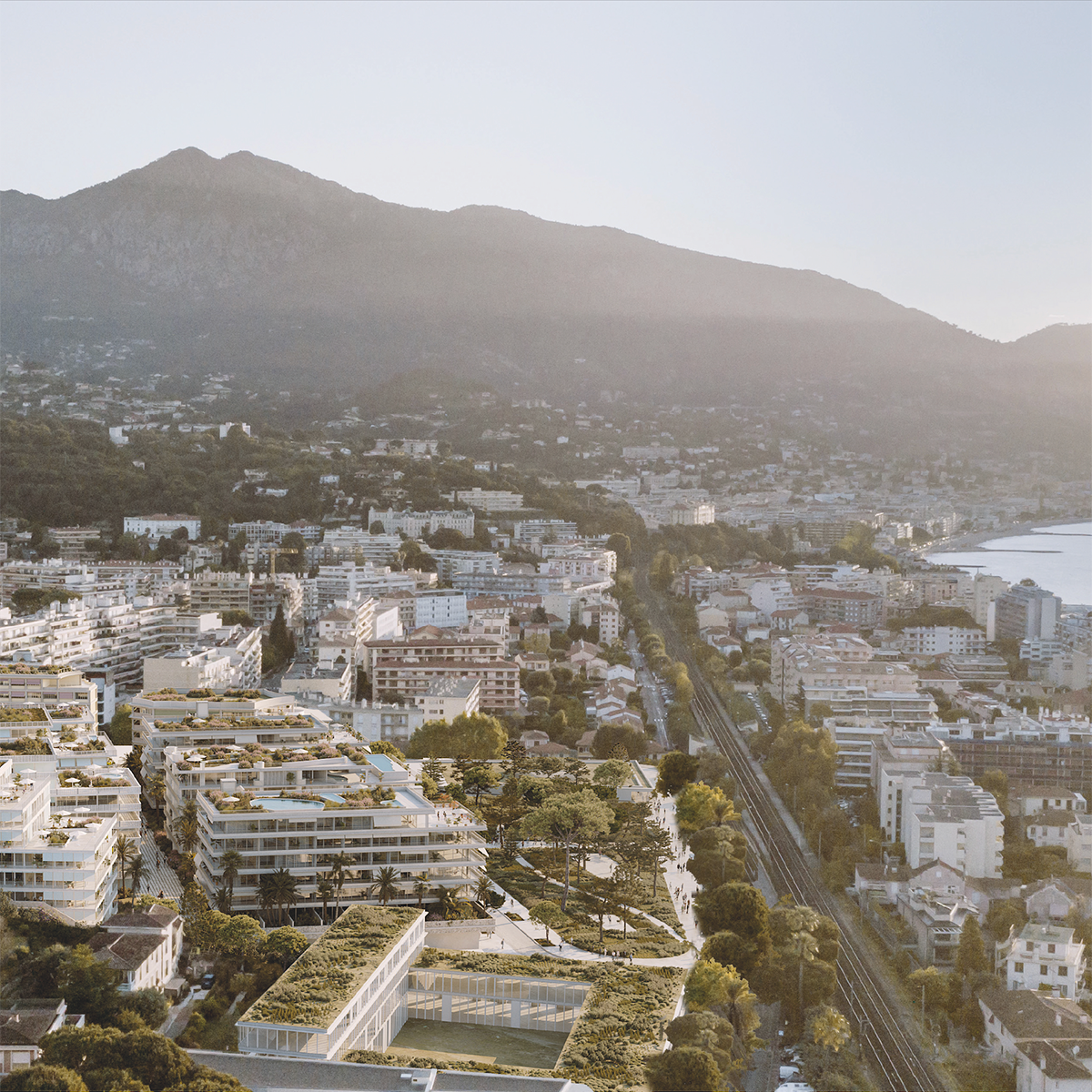
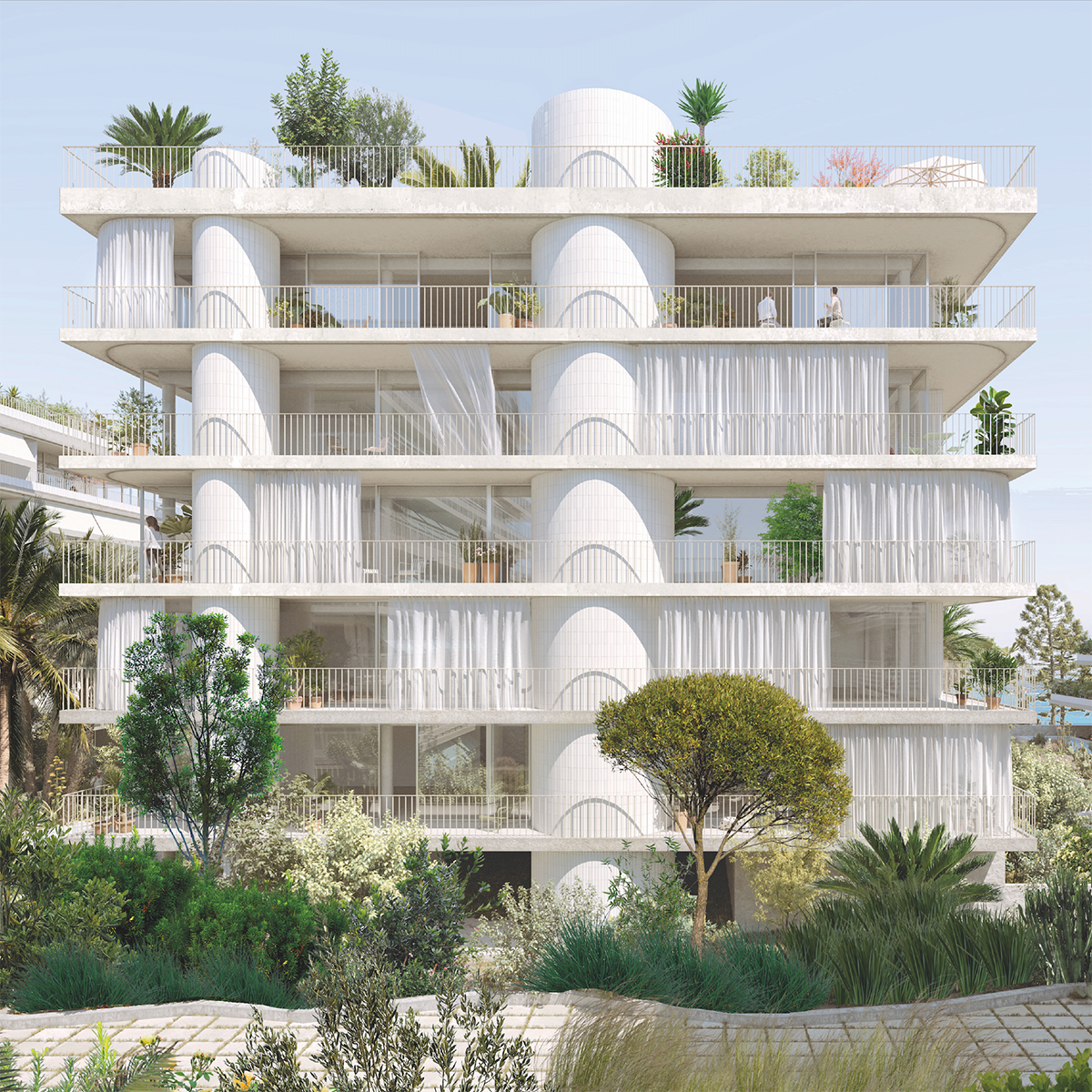
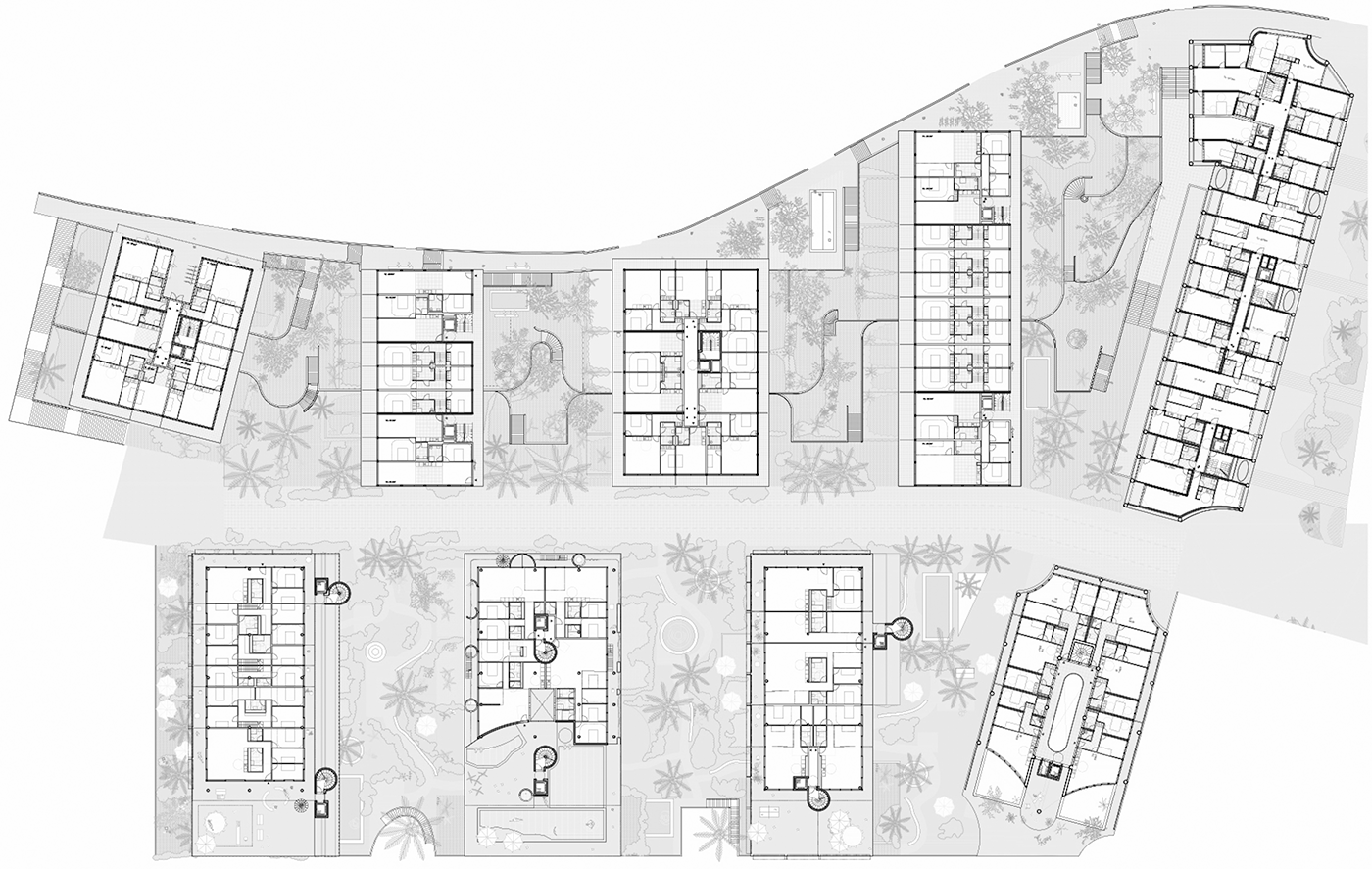
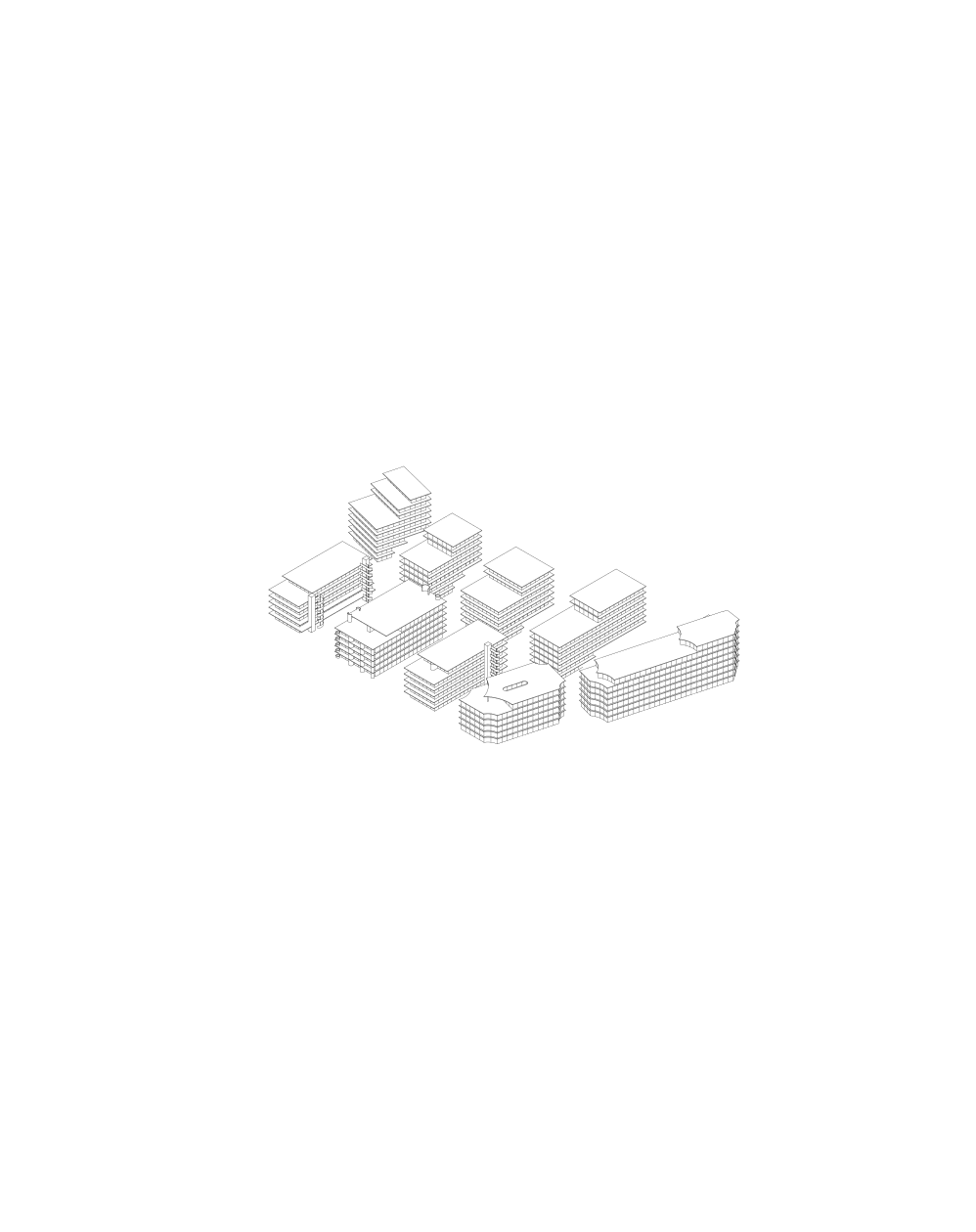
Mediterranean architecture is an architecture of shade, of thick walls, of freshness. An architecture where the massiveness of the buildings rub shoulders with lush nature. The climate is mild in winter, powerful in summer, and bright all year round. To work in this specific framework, two thicknesses, corresponding to two bioclimatic approaches have been developed for the entire district: thin buildings (18 m wide) and thick buildings (23 m wide). The slim buildings offer cross ventilated housing open to the exterior. The rooms are organised according to the air currents and exposure to the sun. The thick buildings with more inertia, have courtyards to cross ventilate the spaces that do not ventilate in angle. The facades, far from the slab edge are protected, allowing large bay windows. The depth of the balconies has been optimised in each case according to orientation, thickness, program and masks. The aim is to give buildings the option of not being mechanically heated or cooled all year round.

Shading benefit

  • 0
  • 20
  • 40
  • 60
  • 80
  • 100
kWh/m²

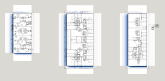
Energy savings created by adding horizontal shading that blocks the intense vertical sun
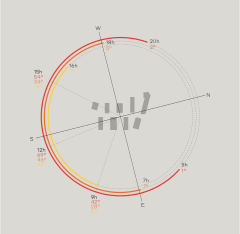
Solar angles
Detail of shading benefit

  • 0
  • 20
  • 40
  • 60
  • 80
  • 100
kWh/m²

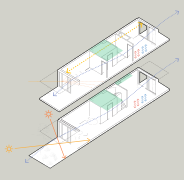
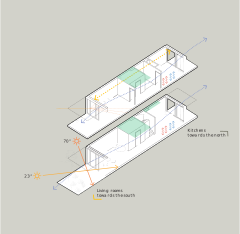
Strategies at unit level

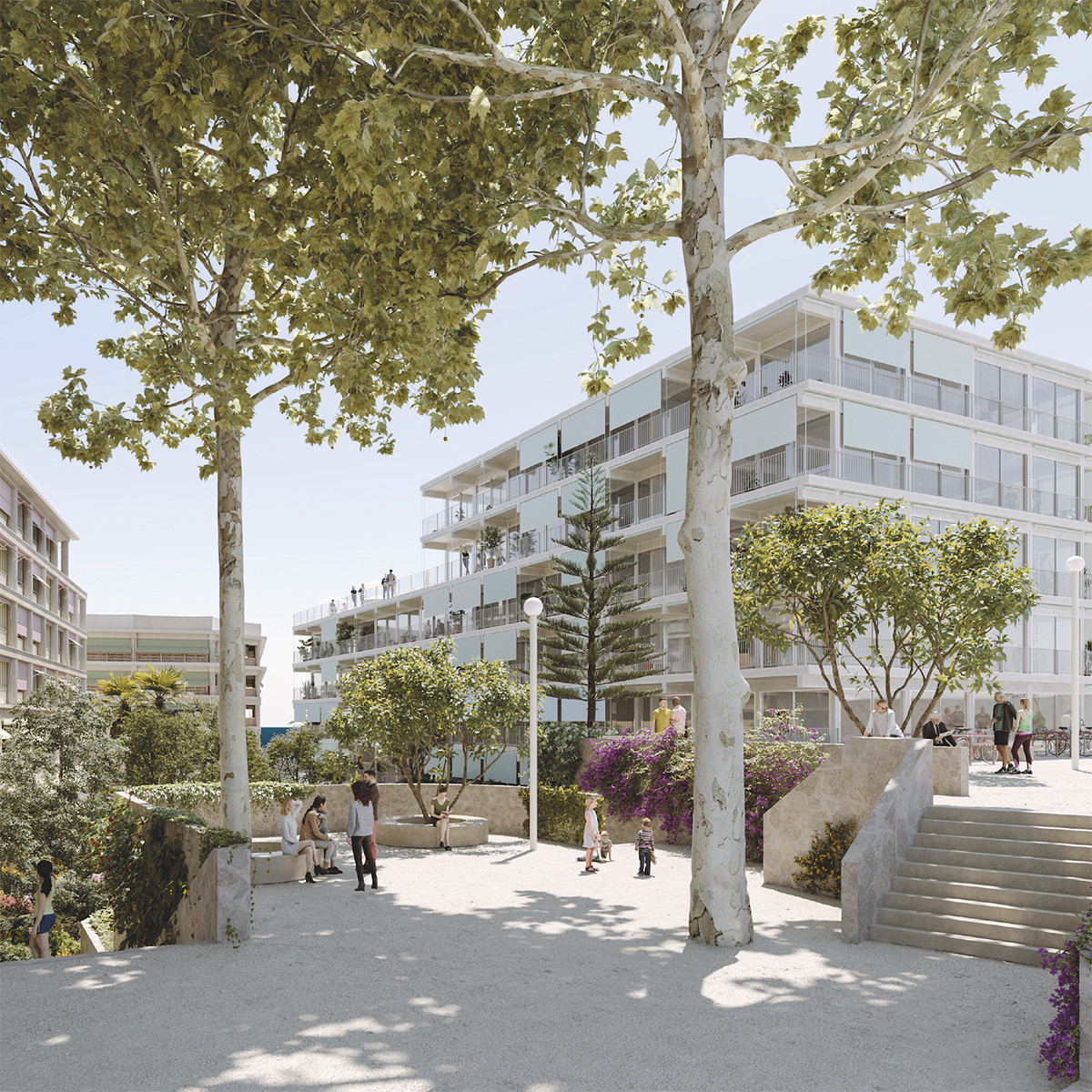
"The urban plan promotes the idea of ​​a fluid, porous neighbourhood, creating unobstructed viewpoints and a multitude of situations both outside and inside the plot. The very strong relationship that the site maintains with the territory and its neighbourhood shapes the buildings. Each gesture was aimed at strengthening the urban plan in order to minimise the built volumes and to maximise the view for future inhabitants as well as for neighbours. The project offers an architecture that is desirable, readable, generous and free… a Mediterranean landscape in itself. All buildings respond to thermal contingencies, the organisation of apartments and the relationship with the outside. The covered enclosure does not systematically follow the outline of the buildings, it creates recesses, slanting, loggias, large continuous balconies, summer kitchens. This is a fundamental point shared here for the whole neighbourhood. The limit between interior and exterior is not fixed, it changes in its materiality (wall, glazing, tiles, curtains, blinds), it becomes ambiguous and sometimes disappears."

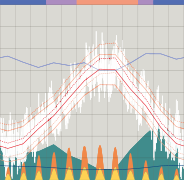
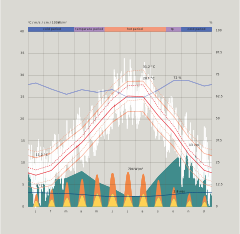
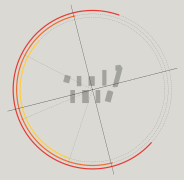
In Roquebrune-Cap-Martin, winters are mild and summers are hot but not extreme, and with a moderate daily range (6-7ºC). This is due to its proximity with the sea: the big body of water with large thermal inertia regulates air temperatures naturally as the diurnal ranges are smaller than inside the continent. During summer, average high temperatures reach 29ºC, and go above 30ºC around 15 days a year, but never reaching 35ºC. The sky is sunny most of the time, both during summer and winter. Solar radiation is intense, with a large proportion of direct sun which calls for solar protection such as balconies and awnings. In winter, this represents a large potential for passive heating. In 2050, temperature will be on average 2ºC warmer than today. In summer, the increase will be larger, reaching an average high temperature of 31.2ºC. Peaks will also be higher and more frequent, which calls for special attention for summer conditions.

Climate summary

Average temperature
t
(°C)
Avg. min. and avg. max. temperature
t
(°C)
Relative humidity
w
(%)
Daily diffuse solar radiation
r
(100xW/m²)
Daily total solar radiation
r
(100xW/m²)
Wind speed
a
(m/s)
Monthly precipitations
w
cm
Daily range
t
(°C)
Temperature predictions for 2050
t
(°C)

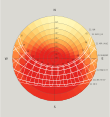
Sun path

Solar altitude
s
  • 0
  • 240
  • 480
  • 720
  • 960
  • 1200
kWh/m²

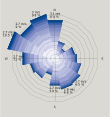
Wind rose

Wind frequency
a
  • 0
  • 1
  • 2
  • 3
  • 4
  • 5
  • 6
  • 7
  • 8
  • 9
  • 10
m/s
Close